
Best Ways to Protect Data: Antivirus vs. Employee Awareness Training
In today’s digital age, data protection is a top priority for businesses of all sizes. With the increasing number of cyber threats and data breaches, organizations must take proactive measures to safeguard their sensitive information.
Two essential components of a robust data protection strategy are antivirus software and employee awareness training. While antivirus software provides a technical defense against malware and viruses, employee awareness training educates employees on best practices to prevent data breaches.
In this article, we will explore the importance of both antivirus software and employee awareness training and discuss the Best Ways to Protect Data: Antivirus vs. Employee Awareness Training
The Importance of Antivirus Software
Antivirus software is a crucial component of any data protection strategy. Its primary function is to detect, prevent, and remove malware and viruses from computer systems. Antivirus software scans files, emails, and websites for malicious code, blocking any suspicious activity. This software is essential in preventing data breaches caused by malware, ransomware, and other types of cyber attacks.
Benefits of using Antivirus Software
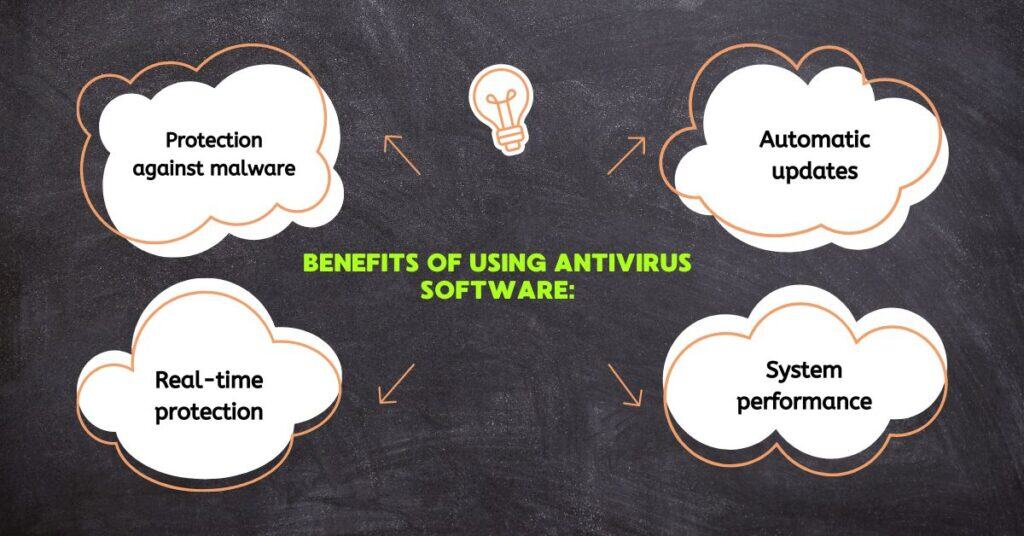
Here are the benefits of using antivirus software:
1. Protection against malware
Antivirus software defines, prevents and eliminates the presence of viruses, Trojan spyware, adware and other form of malicious software programs.
2. Real-time protection
Antivirus software works proactively, as the files, or emails are opened or downloaded, these are checked for virus existence.
3. Automatic updates
Antivirus software tends to be changed regularly to be in a position to be able to detect and eliminate the latest kind of malicious software.
4. System performance
Antivirus software also benefits system performance by eradicating Malware that is known to reduce the performance of computer systems.
The Importance of Employee Awareness Training
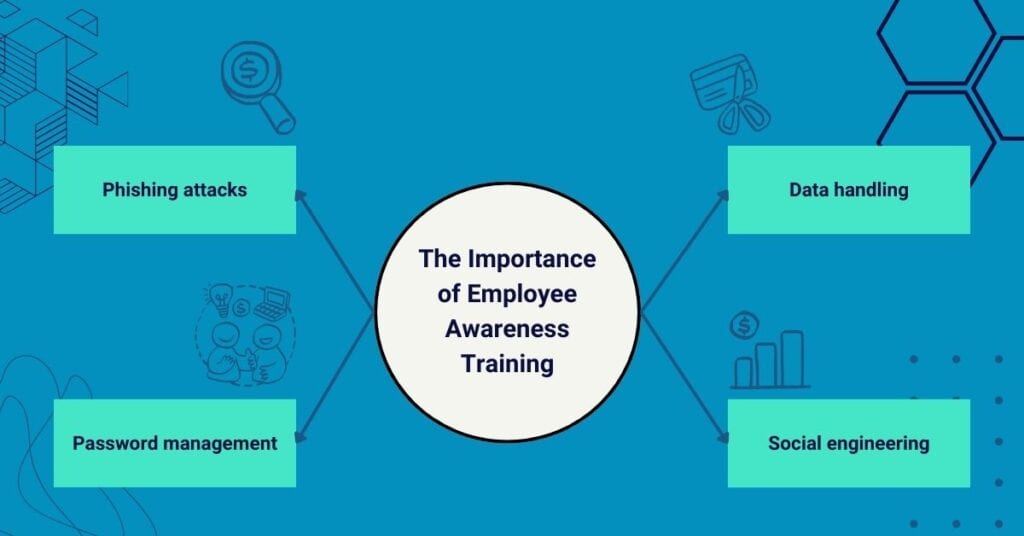
While antivirus software provides a technical defence against malware, employee awareness training is essential in preventing data breaches caused by human error. Employee awareness training educates employees on best practices to prevent data breaches, including:
1. Phishing attacks
People can know the ways of responding to the kinds of messages that lead to data breaches, including the infamous phishing messages.

2. Password management
The best security procedures and practices are taught to the employees on the way to create and properly handle passwords.
3. Data handling
Professionals discover how to protect information, how to store, transfer, as well as dispose of it appropriately.
4. Social engineering
People get acquainted with the methods and practices of social engineering which is a type of attack intended to pry sensitive information from the employees.
Benefits of Employee Awareness Training
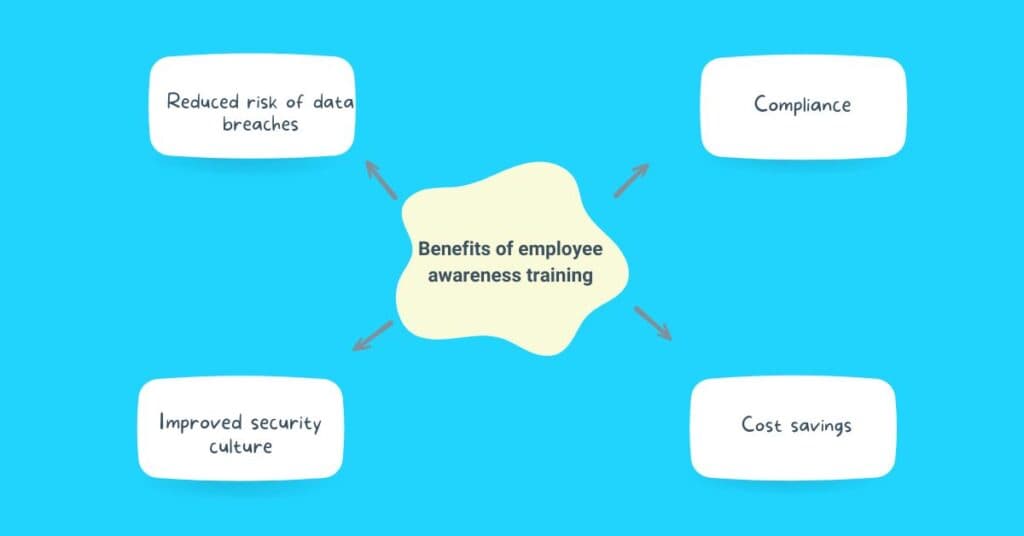
There are several benefits of employee awareness training:
1. Reduced risk of data breaches
Organizations conduct employee awareness training to minimize the instances of compromise of organisational data and information due to employee mistakes.
2. Improved security culture
The concept of employee awareness training is used to enhance security discipline in organizations and compel employees to take data security seriously.
3. Compliance
This awareness training can also assist organizations in meeting certain data protection regulations like the GDPR.
4. Cost savings
Conduction of awareness training for the employees can be a cost-effective approach for organizations by avoiding incidents such as data leakage that may lead to massive losses in the course of fixing the problem.
Best Ways to Protect Data
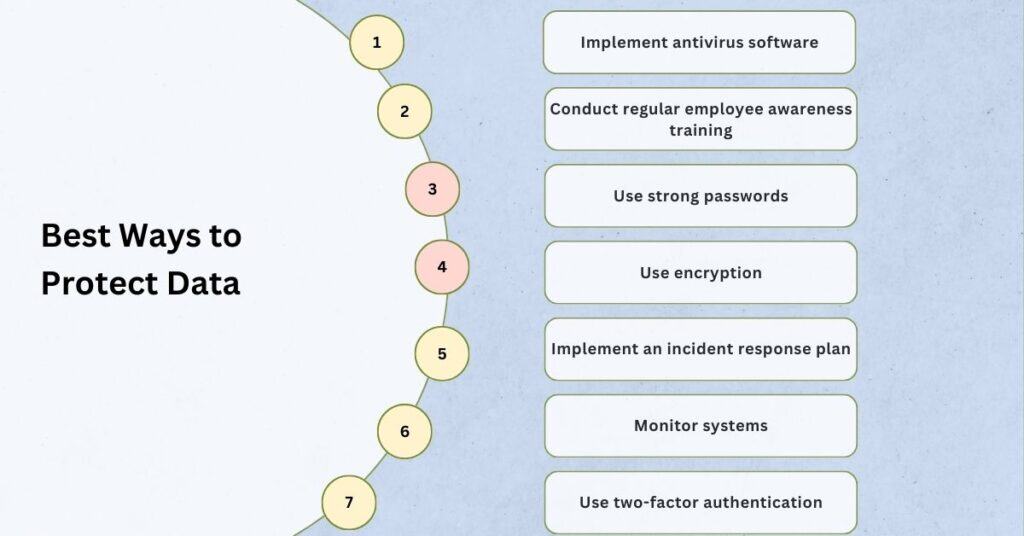
To protect data effectively, organizations should implement a combination of antivirus software and employee awareness training. Here are some best practices:
1. Implement antivirus software
Av guard all computer systems with antivirus software and make sure that the antivirus is up to date always.
2. Conduct regular employee awareness training
Ensure that there is a frequent exercise of employee awareness training to ensure the employees understand measures to take to avoid the leakage of the company data.
3. Use strong passwords
Organizations should also create awareness of password use, particularly exceeding the standard password as well as safe management of the passwords by the employees.
4. Use encryption
Ensure the general application of a secure encryption protocol on the data to prevent accessing or invasion of privacy concerning the usability of the data by unauthorized parties.
5. Implement an incident response plan
Implement an action plan for a fast and adequate reaction to a data breach.
6. Monitor systems
Tracking the computer system periodically and if you find any security threat, then do not delay to act upon it.
7. Use two-factor authentication
Employ two-factor authentication to enhance the security of the common logins.
Conclusion:
Data protection is a top priority for businesses of all sizes.
By implementing a combination of antivirus software and employee awareness training, organizations can reduce the risk of data breaches and protect their sensitive information. Remember, data protection is an ongoing process that requires regular monitoring and maintenance. Stay vigilant and stay protected.
FAQs:
1. What is antivirus software?
Ans: Antivirus software is a program that scans computer systems and files for malicious code, such as viruses, Trojans, and spyware and removes or blocks them to prevent damage.
2. Why is antivirus software important?
Ans: Antivirus software is important because it protects computer systems from malware infections, which can cause data breaches, steal sensitive information, and compromise system security.
3. How does antivirus software work?
Ans: Antivirus software works by scanning computer systems and files for suspicious activity and identifying patterns that match known malware signatures. If a threat is detected, the software takes action to block or remove the malware.
4. Can employee awareness training prevent data breaches?
Ans: Yes, employee awareness training can play a crucial role in preventing data breaches caused by human error, such as clicking on phishing emails or opening attachments from unknown senders.
5. What types of malware does antivirus software detect?
Ans: Antivirus software typically detects viruses, Trojans, spyware, ransomware, and adware. Advanced solutions may also detect newer forms of malware, such as zero-day threats.
6. Can antivirus software provide real-time protection?
Ans: Yes, many antivirus software solutions offer real-time protection, which means they scan files and emails as they are opened or downloaded, rather than relying on scheduled scans.
7. How often should I update my antivirus software?
Ans: You should update your antivirus software as often as recommended by the manufacturer, which is typically daily or weekly. This ensures the software stays up-to-date with the latest malware signatures.
8. Can I trust free antivirus software?
Ans: While some free antivirus software may provide adequate protection, it’s essential to exercise caution when choosing a free solution. Free software may have limited features, less frequent updates, and potential advertising links.
9. Can employee awareness training be provided online or in person?
Ans: Both online and in-person employee awareness training is effective. Online training provides flexible scheduling and easy accessibility, while in-person training offers more interactive engagement.
10. How often should employee awareness training be provided?
Ans: Employee awareness training should be provided at least annually, with regular refresher training sessions, to ensure employees stay informed about the latest security threats and best practices.
