

Difference Between Phishing And Social Engineering
Cyber security threats have become a pressing concern for individuals, businesses, and governments alike. Among the array of malicious attacks, phishing and social engineering are two of the most insidious and prevalent methods used by cyber attackers to deceive and manipulate their victims.
While often used interchangeably, phishing and social engineering are distinct concepts with different tactics and goals. In this article,
we will delve into the topic Difference between phishing and social engineering, exploring the devastating impact they can have on individuals and organizations.
Let’s Understand Phishing
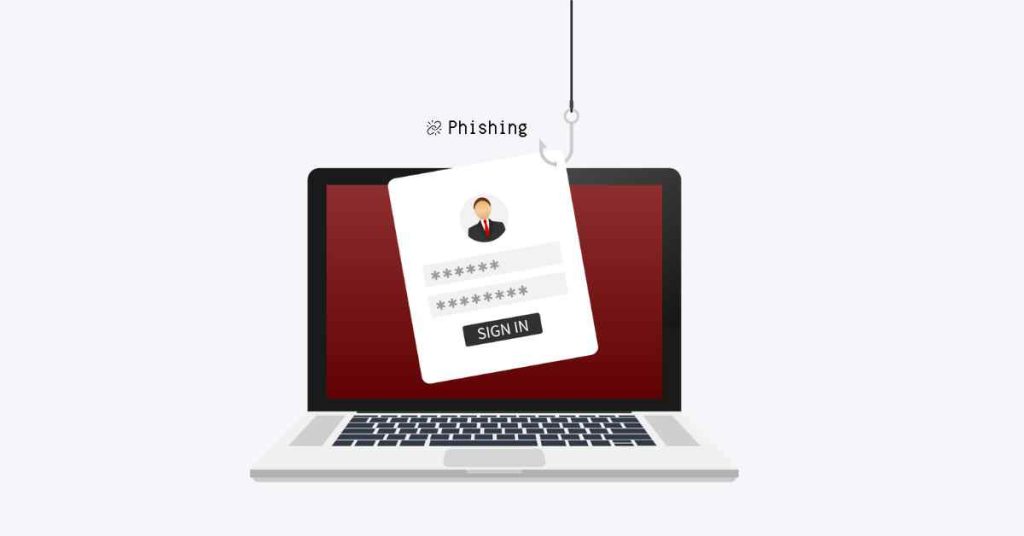
Phishing is a type of cyber attack that involves deceiving individuals into divulging sensitive information, such as login credentials, financial information, or personal data, through email, text message, or phone.
Phishing attacks typically employ a sense of urgency or fear to prompt the victim into taking immediate action, often by clicking on a malicious link or downloading a malicious attachment.
Phishers use various tactics to make their messages appear legitimate, such as:
1. Spoofing
Bogus senders may represent and use the identity of a well-known organization or person, mimicking its name, symbol, themes, etc.
2. Creating a sense of urgency
Some phishers may point to a situation whereby the victim’s account will be suspended or even hacked into if certain actions are not taken immediately.
3. Using eye-catching subject lines
The kind of subject one is likely to come across in such emails is attractive or confusing to get the intended victim to open the email.
Now let us help you understand Social Engineering
Social engineering is a broader term that encompasses a range of tactics used by attackers to manipulate individuals into divulging sensitive information or performing certain actions.
Social engineering attacks focus on exploiting human psychology, rather than relying on technical vulnerabilities. Social engineering attacks can take many forms, including:
1. CEO scams
Fraudsters pretend to be the CEO or an executive agency and tell employees about specific actions they should take or money transfers that should be made.
2. Business email compromise (BEC)
Cybercriminals focus on organizations, making employees give away money through social engineering.
3. Romance scams
They convince the victim to form a romantic relationship with them to con him/her of his/her money or to get personal details of the victim.
Key Differences Between Phishing and Social Engineering
While phishing is a specific type of social engineering attack, there are several key differences between the two:
1. Tactics
In phishing attacks, the attacker uses email, text messages, and phone calls to demand information from the target while in Social Engineering he might use face-to-face conversation, phone calls, and online chat.
2. Goals
Concerning objectives, phishing attacks are generally targeted at obtaining a user’s credentials or other sensitive data and installing malicious software to the victim’s device, whereas under social engineering attacks, the goals may be manifold: stealing money or identity, physical access to the targeted individual, etc.
3. Scope
Phishing is typically launched at a large number of users simultaneously, although social engineering is more personalized.
4. Complexity
In most cases, social engineering attacks are more subtle than brute force, and so they need to take into account a lot of the human factor.
Please find the below table for a clear understanding:
| Characteristics | Phishing | Social Engineering |
| Tactics | Email, text message, phone calls | In-person interactions, phone calls, online interactions, pretexting, baiting, quid pro quo |
| Goals | Obtain sensitive information or install malware | Obtain sensitive information, financial gain, identity theft, physical access to a target |
| Scope | Mass-targeted | Targeted and tailored to the victim |
| Complexity | Simple to moderately complex | Highly complex and nuanced |
| Method of Attack | Using technical vulnerabilities | Exploiting human psychology |
| Level of Interaction | Limited interaction with the victim | High level of interaction with the victim |
| Goals of the Attacker | Primarily financial gain or data theft | Can be financial gain, data theft, or other malicious goals |
| Degree of Personalization | Low to moderate personalization | High level of personalization |
| Target Audience | Typically targets individuals with low to moderate technical knowledge | Targets individuals with high to moderate technical knowledge |
| Method of Delivery | Email, phone, text message | In-person, phone, email, text message, social media |
Consequences of Phishing and Social Engineering
The consequences of phishing and social engineering attacks can be devastating for individuals and organizations. Some of the most common consequences include:
1. Financial loss
In phishing and social engineering attacks, the goals are money and can be lost through fraud or broken through credit card details.
2. Identity theft
Phishing and social engineering attacks are capable of causing identity theft whereby the attackers obtain one’s social security numbers or even a passport.
3. Data breaches
Phishing and social engineering attacks yield data breach where information is stolen or in the worst scenario, they are compromised.
4. Damage to reputation
It is important to note that phishing and social engineering attacks will definitely tarnish an organization’s reputation and food this important component will be broken in the eyes of the customers as well as other stakeholders.
Conclusion
Phishing and social engineering are two of the most insidious cybersecurity threats facing individuals and organizations today.
While phishing is a specific type of social engineering attack, social engineering is a broader term that encompasses a range of tactics used to exploit human psychology. Understanding the differences between phishing and social engineering is crucial for developing effective cybersecurity strategies.
By raising awareness and implementing robust security measures, we can protect ourselves against these devastating attacks and ensure a safer digital world for all.
FAQs: Difference between phishing and social engineering
1. What is phishing, and how does it work?
A: Phishing is a type of cyber attack where attackers use email, text messages, or phone calls to deceive victims into divulging sensitive information, such as login credentials, financial information, or personal data. Attackers often use spoofed emails, fake websites, or other tactics to build trust and trick victims into taking action.
2. What is social engineering, and how is it different from phishing?
A: Social engineering is a broader term that encompasses a range of tactics used to manipulate individuals into divulging sensitive information or performing certain actions. While phishing is a type of social engineering, social engineering attacks often involve more complex tactics, such as pretexting, baiting, or quid pro quo.
3. How can I protect myself from phishing attacks?
A: To protect yourself from phishing attacks, never click on links or download attachments from unsolicited emails. Verify the authenticity of emails and messages by checking the sender’s email address and contact information. Use strong passwords, enable multi-factor authentication, and keep your software and operating system up to date.
4. What is the most common type of phishing attack?
A: The most common type of phishing attack is spear phishing, which targets specific individuals or groups. Attackers often use tailored emails or messages that are more likely to be opened and responded to.
5. How can I tell if an email or message is a phishing attempt?
A: Look for red flags, such as spelling and grammar mistakes, generic greetings, and unsolicited attachments. Be cautious of emails or messages that ask for sensitive information or create a sense of urgency. Verify the email address or contact information of the sender.
6. Can social engineering attacks happen in person?
A: Yes, social engineering attacks can happen in person. Attackers may use tactics, such as pretexting or baiting, to build trust and extract sensitive information from victims.
7. What is the impact of phishing and social engineering attacks on individuals and organizations?
A: Phishing and social engineering attacks can result in significant financial losses, identity theft, data breaches, and damage to reputation.
8. How often do phishing and social engineering attacks occur?
A: Phishing and social engineering attacks occur frequently, with new attacks emerging every day. According to recent statistics, phishing attacks account for over 90% of all data breaches.
9. What can organizations do to protect themselves from phishing and social engineering attacks?
A: Organizations can protect themselves by implementing robust security measures, such as multi-factor authentication, encryption, and email filtering. Conducting regular security audits and educating employees about phishing and social engineering tactics can also help prevent attacks.
10. What should I do if I detect a phishing or social engineering attack?
A: If you detect a phishing or social engineering attack, report it to your organization’s IT department or security team immediately. Do not respond to the email or message, and do not click on any links or download attachments.
