

Why do Hackers Use Proxy Servers?
In cybersecurity, proxy servers have become a ubiquitous tool for hackers and cybercriminals. These servers have been instrumental in facilitating various malicious activities, including anonymous browsing, data theft, and cyber-attacks.
But why do hackers use proxy servers in the first place? What makes them an essential component of their online toolkit? In this article, we will delve into the world of proxy servers and explore the reasons behind their widespread adoption by hackers.
What is a Proxy Server?
Before we dive into the reasons behind hackers’ use of proxy servers, let’s first define what a proxy server is. A proxy server is an intermediary server that sits between a client’s device and the internet. When a client requests access to a website or online resource, the request is sent to the proxy server, which then forwards the request to the target server.
The target server responds to the proxy server, which then sends the response back to the client. This process allows clients to access online resources without directly interacting with the target server.
Top 10 Reasons Why Hackers Use Proxy Servers?

Hackers use proxy servers for a variety of reasons, including:
1. Anonymity
Proxy servers provide hackers with a degree of anonymity when browsing the internet. By routing their internet traffic through a proxy server, hackers can mask their IP addresses, making it challenging for law enforcement agencies and cybersecurity professionals to track their online activities.
2. Access to Blocked Resources
Proxy servers can bypass firewalls and other internet restrictions, allowing hackers to access online resources that would otherwise be blocked. This is particularly useful for hackers who need to access websites or online services that are restricted in their region or by their internet service provider.
3. Data Theft
Hackers use proxy servers to steal sensitive information, such as login credentials, credit card numbers, and personal data. By routing their internet traffic through a proxy server, hackers can disguise their IP address and make it difficult to track the source of the malicious activity.
4. Malicious Activities
Proxy servers are often used to facilitate various malicious activities, such as launching distributed denial-of-service (DDoS) attacks, spreading malware, and conducting phishing campaigns. By hiding their IP addresses, hackers can remain anonymous and avoid detection.
5. Credit Card Fraud
Hackers use proxy servers to commit credit card fraud by routing their internet traffic through multiple proxy servers, making it difficult to track the source of the transaction.
6. Hidden Online Activities
Hackers use proxy servers to conduct online activities that would otherwise be detectable by their internet service provider or law enforcement agencies. This includes activities such as downloading and uploading copyrighted materials, creating and distributing malware, and engaging in other illicit activities.
7. Circumventing Security Measures
Proxy servers can bypass security measures, such as intrusion detection systems and firewalls, allowing hackers to launch attacks on vulnerable systems and networks.
8. Remote Access
Hackers use proxy servers to remotely access compromised systems and networks. By routing their internet traffic through a proxy server, hackers can disguise their IP address and remain undetected.
9. Encrypted Communication
Proxy servers can encrypt communication between hackers and their command and control servers, making it difficult for law enforcement agencies to intercept and decipher their communication.
10. Layered Anonymity
Hackers often use multiple proxy servers to create a layered anonymity effect, making it extremely challenging to track their online activities.
How do Hackers Obtain Proxy Servers?

Hackers obtain proxy servers through various means, including:
1. Compromised Systems
Hackers compromise vulnerable systems and networks, turning them into proxy servers.
2. Malware
Hackers use malware, such as Trojans and backdoors, to infect systems and turn them into proxy servers.
3. Vulnerable Web Applications
Hackers exploit vulnerable web applications to create proxy servers.
4. Renting Proxy Servers
Hackers rent proxy servers from unscrupulous providers, often using cryptocurrencies to maintain anonymity.
5. Setting up their Own
Hackers set up their proxy servers using compromised systems or rented servers.
The Risks of Using Proxy Servers

While proxy servers provide hackers with a degree of anonymity and flexibility, they also come with risks, including:
1. Detection
Law enforcement agencies and cybersecurity professionals can detect and block proxy servers.
2. Data Integrity
Proxy servers can compromise data integrity by introducing errors and malfunctions into online transactions.
3. System Instability
Proxy servers can introduce system instability and crashes, which can be detrimental to the hackers’ operations.
4. Resource Intensive
Using proxy servers can be resource-intensive, requiring significant computational power and bandwidth.
Top 4 Consequences for Victims
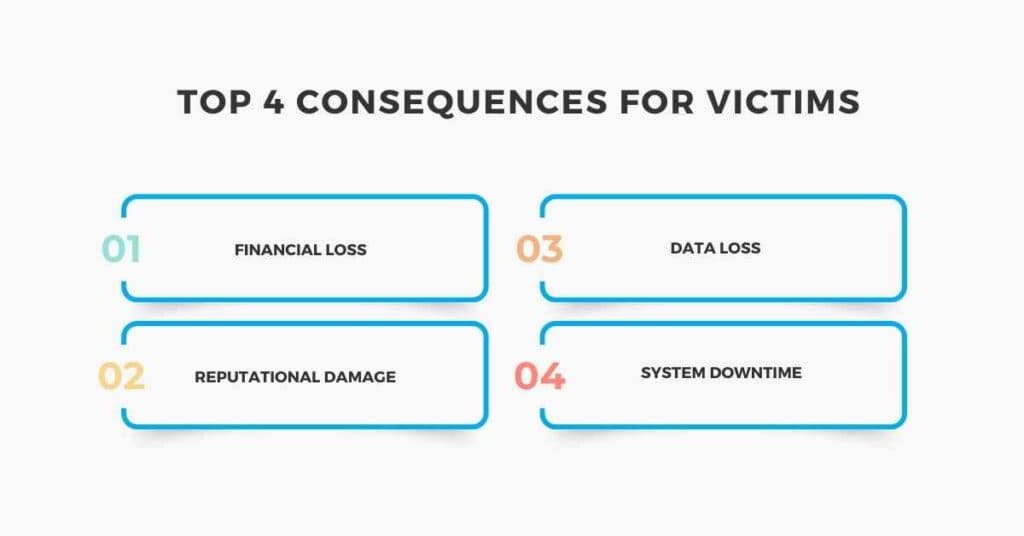
The consequences for victims of hacking activities facilitated by proxy servers can be severe, including:
1. Financial Loss
Victims can suffer significant financial losses through credit card fraud, identity theft, and other malicious activities.
2. Reputational Damage
Victims can suffer reputational damage through data breaches and other malicious activities.
3. Data Loss
Victims can lose sensitive information, including personal data and intellectual property.
4. System Downtime
Victims can experience system downtime and crashes, resulting in lost productivity and revenue.
Protecting Yourself from Proxy Server Related Threats

To protect yourself from proxy server-related threats, follow these best practices:
1. Use Strong Passwords
Use strong passwords and multi-factor authentication to protect your online accounts.
2. Monitor Your Accounts
Monitor your online accounts for suspicious activity and report any discrepancies to the relevant authorities.
3. Use Anti-Virus Software
Use anti-virus software and keep it up-to-date to protect your system from malware and other malicious threats.
4. Avoid Suspicious Links
Avoid suspicious links and attachments, particularly those from unknown sources.
5. Use a VPN
Use a reputable VPN to encrypt your internet traffic and maintain anonymity online.
Useful Resources:
Here are some useful resources:
- List of Top 10 Best VPS for Pentesting
- Top 15 Most Website Hacking Techniques Most Commonly Used By Hackers
- Top 51 Tools You Need to Use to Become a Pro Ethical Hacker
- What are the Different Types Of Hackers? All Types of Hackers Explained in Detail
Conclusion
Proxy servers have become an essential tool for hackers and cybercriminals, providing them with anonymity, flexibility, and access to resources that would otherwise be blocked. However, the consequences for victims can be severe, including financial loss, reputational damage, data loss, and system downtime.
To protect yourself from proxy server-related threats, use strong passwords, monitor your accounts, use anti-virus software, avoid suspicious links, and use a reputable VPN. By taking these precautions, you can reduce the risk of falling victim to hacking activities facilitated by proxy servers.
FAQs: Why do Hackers Use Proxy Servers?
1. What are the main reasons why proxy servers are commonly used by hackers?
Ans: Proxy servers are commonly used by hackers to maintain anonymity online, bypass firewalls access blocked resources, steal data, and facilitate malicious activities such as credit card fraud, malware distribution, and phishing campaigns.
2. How do proxy servers enable hackers to carry out their malicious activities while remaining undetected?
Ans: Proxy servers enable hackers to carry out their malicious activities while remaining undetected by masking their IP addresses, making it challenging for law enforcement agencies and cybersecurity professionals to track their online activities and identify their locations.
3. Can I use a proxy server to access blocked websites?
Ans: Yes, proxy servers can bypass firewalls and restrictions to access blocked websites, but using them to access illicit or unauthorized content is against the law.
4. Are proxy servers safe to use?
Ans: Proxy servers can introduce security risks, including data breaches and malware infections. However, reputable VPN providers offer secure and anonymous proxy services.
5. How do hackers obtain proxy servers?
Ans: Hackers obtain proxy servers by compromising vulnerable systems and networks, using malware, exploiting web applications, renting proxy servers, or setting up their own.
6. Can law enforcement agencies track proxy server activity?
Ans: Law enforcement agencies can detect and block proxy servers, making it challenging for hackers to maintain anonymity.
7. What are the risks of using proxy servers?
Ans: Using proxy servers comes with risks, including detection, data integrity issues, system instability, and resource-intensive requirements.
8. How can I protect myself from proxy server-related threats?
Ans: To protect yourself, use strong passwords, monitor your accounts, use anti-virus software, avoid suspicious links, and consider using a reputable VPN.
9. Can I use a proxy server for legitimate purposes?
Ans: Yes, proxy servers can be used for legitimate purposes, such as accessing blocked content in a different region, maintaining anonymity while browsing, or researching competitors anonymously.
10. What should I do if I suspect my system has been compromised by a proxy server?
Ans: If you suspect your system has been compromised, immediately disconnect from the internet, scan your system for malware, and report any suspicious activity to the relevant authorities.
