

Difference Between AWS vs Azure vs Google Cloud Penetration Testing?
The increasing demand for cloud computing has led to a surge in organizations worldwide’s adoption of cloud services. Amazon Web Services (AWS), Microsoft Azure, and Google Cloud Platform (GCP) are the three most prominent cloud service providers, offering a wide range of services and features to their customers.
As more and more businesses move their operations to the cloud, the need for robust security measures has become paramount. Penetration testing, also known as pen testing or ethical hacking, is a crucial aspect of cloud security that helps identify vulnerabilities in cloud-based systems. In this article, we will delve into the Difference Between AWS vs Azure vs Google Cloud Penetration testing.
About AWS Penetration Testing
AWS provides a comprehensive set of tools and services for penetration testing, including Amazon Inspector, AWS Config, and AWS CloudTrail. Amazon Inspector is a security assessment service that helps identify vulnerabilities in AWS resources, such as EC2 instances, RDS databases, and Lambda functions.
AWS Config provides a detailed inventory of AWS resources and their configurations, while AWS CloudTrail provides a record of all API calls made within an AWS account.
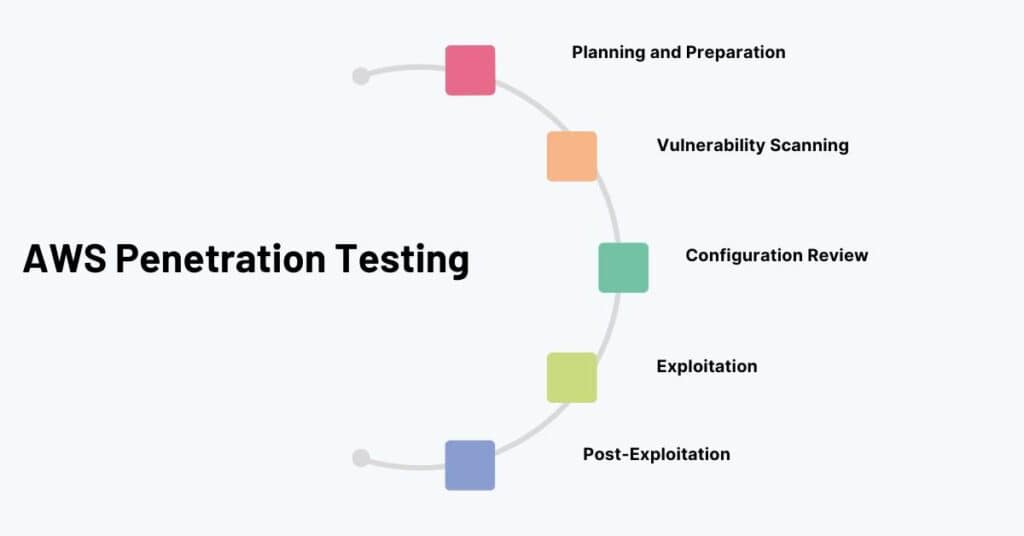
AWS penetration testing involves several steps, including:
1. Planning and Preparation
Identify the scope of the test, including the AWS resources to be tested, and obtain the necessary permissions and access.
2. Vulnerability Scanning
Use Amazon Inspector to scan for vulnerabilities in AWS resources.
3. Configuration Review
Review the configuration of AWS resources to identify any weaknesses or misconfigurations.
4. Exploitation
Attempt to exploit identified vulnerabilities to gain unauthorized access to AWS resources.
5. Post-Exploitation
Analyze the results of the test and provide recommendations for remediation.
About Azure Penetration Testing
Azure provides a range of tools and services for penetration testing, including Azure Security Center, Azure Monitor, and Azure Active Directory.
Azure Security Center provides a comprehensive security monitoring and threat detection solution, while Azure Monitor provides a unified monitoring and analytics solution. Azure Active Directory provides identity and access management capabilities.
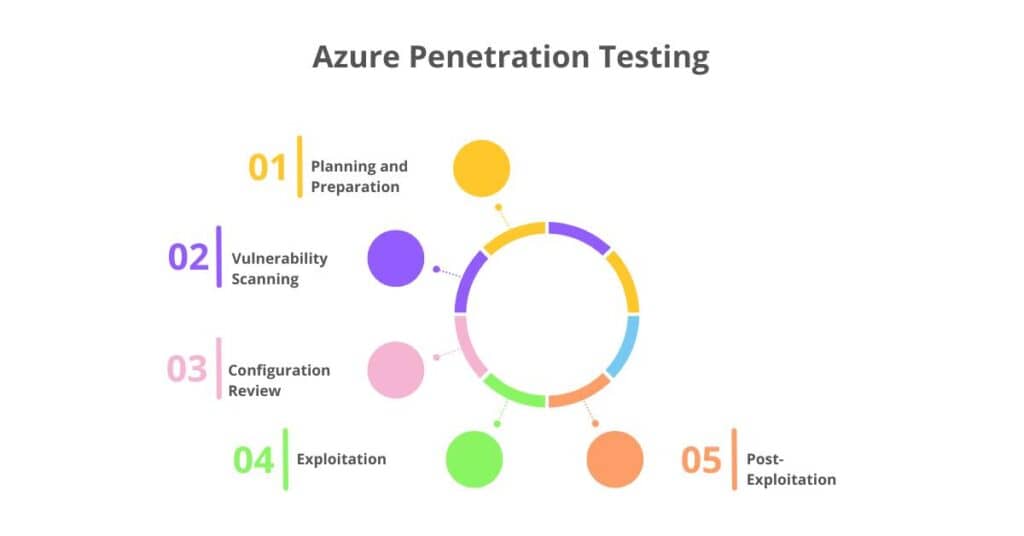
Azure penetration testing involves several steps, including:
1. Planning and Preparation
Identify the test scope, including the Azure resources, and obtain the necessary permissions and access.
2. Vulnerability Scanning
Use Azure Security Center to scan for vulnerabilities in Azure resources.
3. Configuration Review
Review the configuration of Azure resources to identify any weaknesses or misconfigurations.
4. Exploitation
Attempt to exploit identified vulnerabilities to gain unauthorized access to Azure resources.
5. Post-Exploitation
Analyze the results of the test and provide recommendations for remediation.
About Google Cloud Penetration Testing

Google Cloud provides a range of tools and services for penetration testing, including Cloud Security Command Center, Cloud Monitoring, and Cloud Identity and Access Management.
Cloud Security Command Center provides a comprehensive security monitoring and threat detection solution, while Cloud Monitoring provides a unified monitoring and analytics solution. Cloud Identity and Access Management provides identity and access management capabilities.
Google Cloud penetration testing involves several steps, including:
1. Planning and Preparation
Identify the scope of the test, including the Google Cloud resources to be tested, and obtain the necessary permissions and access.
2. Vulnerability Scanning
Use the Cloud Security Command Center to scan for vulnerabilities in Google Cloud resources.
3. Configuration Review
Review the configuration of Google Cloud resources to identify any weaknesses or misconfigurations.
4. Exploitation
Attempt to exploit identified vulnerabilities to gain unauthorized access to Google Cloud resources.
5. Post-Exploitation
Analyze the results of the test and provide recommendations for remediation
Key Differences Between AWS, Azure, and Google Cloud Penetration Testing
While the overall objective of penetration testing remains the same across all three cloud providers, there are some key differences in the approach and tools used. Here are some of the key differences:
| 1. Tools and Services | Each cloud provider has its own set of tools and services for penetration testing. AWS provides Amazon Inspector, Azure provides Azure Security Center, and Google Cloud provides Cloud Security Command Center. |
| 2. Scope | The scope of penetration testing varies across the three cloud providers. AWS requires explicit permission for penetration testing, while Azure and Google Cloud provide more flexible options for testing. |
| 3. Vulnerability Scanning | The approach to vulnerability scanning varies across the three cloud providers. AWS uses Amazon Inspector, Azure uses Azure Security Center, and Google Cloud uses Cloud Security Command Center. |
| 4. Configuration Review | The approach to configuration review varies across the three cloud providers. AWS provides AWS Config, Azure provides Azure Monitor, and Google Cloud provides Cloud Monitoring. |
| 5. Exploitation | The three cloud providers’ approaches to exploitation vary. AWS requires explicit permission for exploitation, while Azure and Google Cloud provide more flexible options. |
Best Practices for Cloud Penetration Testing

Regardless of the cloud provider, some best practices should be followed for cloud penetration testing:
1. Plan and Prepare
Identify the scope of the test, obtain necessary permissions and access, and plan the test carefully.
2. Use Authorized Tools
Use authorized tools and services provided by the cloud provider for penetration testing.
3. Conduct Vulnerability Scanning
Conduct vulnerability scanning to identify potential vulnerabilities in cloud resources.
4. Review Configuration
Review the configuration of cloud resources to identify any weaknesses or misconfiguration.
5. Exploit Identified Vulnerabilities
Attempt to exploit identified vulnerabilities to gain unauthorized access to cloud resources.
6. Analyze Results
Analyze the results of the test and provide recommendations for remediation.
Conclusion
In conclusion, cloud penetration testing is a critical aspect of cloud security that helps identify vulnerabilities in cloud-based systems. While the overall objective of penetration testing remains the same across all three cloud providers, there are some key differences in the approach and tools used.
By following best practices and using authorized tools and services, organizations can ensure the security and integrity of their cloud-based systems. Whether you are using AWS, Azure, or Google Cloud, penetration testing is an essential step in ensuring the security of your cloud-based resources.
FAQs: Difference Between AWS vs Azure vs Google Cloud Penetration testing?
1. What is cloud penetration testing?
Ans: Cloud penetration testing is a simulated cyber attack on a cloud-based system to test its defenses and identify potential vulnerabilities. It involves a thorough analysis of the cloud infrastructure, including the network, storage, and applications, to identify any weaknesses that could be exploited by an attacker.
2. What are the benefits of cloud penetration testing?
Ans: The benefits of cloud penetration testing include identifying vulnerabilities and weaknesses in cloud-based systems, improving the overall security posture of the organization, and ensuring compliance with regulatory requirements. It also helps to reduce the risk of data breaches and cyber attacks.
3. What are the key differences between AWS, Azure, and Google Cloud penetration testing?
Ans: The key differences between AWS, Azure, and Google Cloud penetration testing include the tools and services used, the scope of the test, and the approach to vulnerability scanning and configuration review. Each cloud provider has its own set of tools and services for penetration testing, and the approach to testing varies across the three providers.
4. What tools and services are used for AWS penetration testing?
Ans: AWS provides a range of tools and services for penetration testing, including Amazon Inspector, AWS Config, and AWS CloudTrail. Amazon Inspector is a security assessment service that helps identify vulnerabilities in AWS resources, while AWS Config provides a detailed inventory of AWS resources and their configurations.
5. What is the scope of Azure penetration testing?
Ans: The scope of Azure penetration testing includes identifying vulnerabilities in Azure resources, such as virtual machines, storage accounts, and databases. Azure provides a range of tools and services for penetration testing, including Azure Security Center, Azure Monitor, and Azure Active Directory.
6. How does Google Cloud penetration testing work?
Ans: Google Cloud penetration testing involves using Cloud Security Command Center to scan for vulnerabilities in Google Cloud resources, reviewing the configuration of Google Cloud resources to identify any weaknesses or misconfigurations, and attempting to exploit identified vulnerabilities to gain unauthorized access to Google Cloud resources.
7. What are the best practices for cloud penetration testing?
Ans: The best practices for cloud penetration testing include planning and preparing carefully for the test, using authorized tools and services, conducting vulnerability scanning and configuration review, exploiting identified vulnerabilities, and analyzing the results of the test to provide recommendations for remediation.
8. How often should cloud penetration testing be conducted?
Ans: Cloud penetration testing should be conducted regularly, ideally every 6-12 months, to ensure that the cloud-based system remains secure and up-to-date. This frequency may vary depending on the organization’s specific needs and requirements.
9. What are the risks of not conducting cloud penetration testing?
Ans: The risks of not conducting cloud penetration testing include leaving the organization’s cloud-based system vulnerable to cyber-attacks and data breaches, failing to comply with regulatory requirements, and experiencing financial losses and reputational damage.
10. Can cloud penetration testing be conducted in-house or is it recommended to hire a third-party provider?
Ans: While cloud penetration testing can be conducted in-house, it is often recommended to hire a third-party provider who has the necessary expertise and experience in cloud security and penetration testing. A third-party provider can provide an objective assessment of the cloud-based system and identify vulnerabilities that may have been missed by in-house teams.
