

What is a Network Security Audit and Why Is It Important?
Network security is a top priority for organizations of all sizes. With the increasing threat of cyberattacks, data breaches, and other security risks, it’s essential to ensure that your network is secure and protected.
One of the most effective ways to do this is by conducting a network security audit. In this article, we’ll explore What is a Network Security Audit & Why Is It Important? and how it can benefit your organization.
What is a Network Security Audit?
A network security audit is a comprehensive evaluation of an organization’s network security posture. It’s a thorough examination of the network’s infrastructure, systems, and policies to identify potential vulnerabilities, weaknesses, and risks. The audit assesses the network’s ability to prevent, detect, and respond to security threats, and provides recommendations for improvement.
A network security audit typically involves a series of tests and evaluations, including:
1. Network scanning
Identifying open ports, services, and protocols that could be exploited by attackers.
2. Vulnerability assessment
Identifying known vulnerabilities in software, hardware, and firmware.
3. Penetration testing
Simulated attacks on the network to test its defenses.
4. Configuration review
Evaluating the configuration of network devices, such as firewalls, routers, and switches.
5. Policy review
Evaluating the organization’s security policies, procedures, and standards.
Why is a Network Security Audit Important?

A network security audit is essential for several reasons:
1. Identify vulnerabilities
A network security audit helps identify potential vulnerabilities and weaknesses in the network, allowing organizations to take proactive measures to prevent security breaches.
2. Compliance
Many regulatory requirements, such as HIPAA, PCI-DSS, and GDPR, require organizations to conduct regular security audits to ensure compliance.
3. Risk management
A network security audit helps organizations manage risk by identifying potential security threats and providing recommendations for mitigation.
4. Improved security posture
A network security audit provides a comprehensive understanding of the organization’s security posture, allowing for improvements to be made to prevent security breaches.
5. Cost savings
Identifying and addressing security vulnerabilities can help prevent costly security breaches, which can result in significant financial losses.
Benefits of a Network Security Audit

A network security audit provides numerous benefits, including:
1. Improved security
A network security audit helps identify and address security vulnerabilities, improving the overall security posture of the organization.
2. Compliance
A network security audit helps organizations demonstrate compliance with regulatory requirements, reducing the risk of non-compliance fines and penalties.
3. Reduced risk
A network security audit helps identify and mitigate potential security risks, reducing the risk of security breaches and data losses.
4. Cost savings
A network security audit can help organizations avoid costly security breaches and data losses, which can result in significant financial savings.
5. Enhanced reputation
A network security audit demonstrates an organization’s commitment to security, enhancing its reputation and trust with customers, partners, and stakeholders.
Who Should Conduct a Network Security Audit?
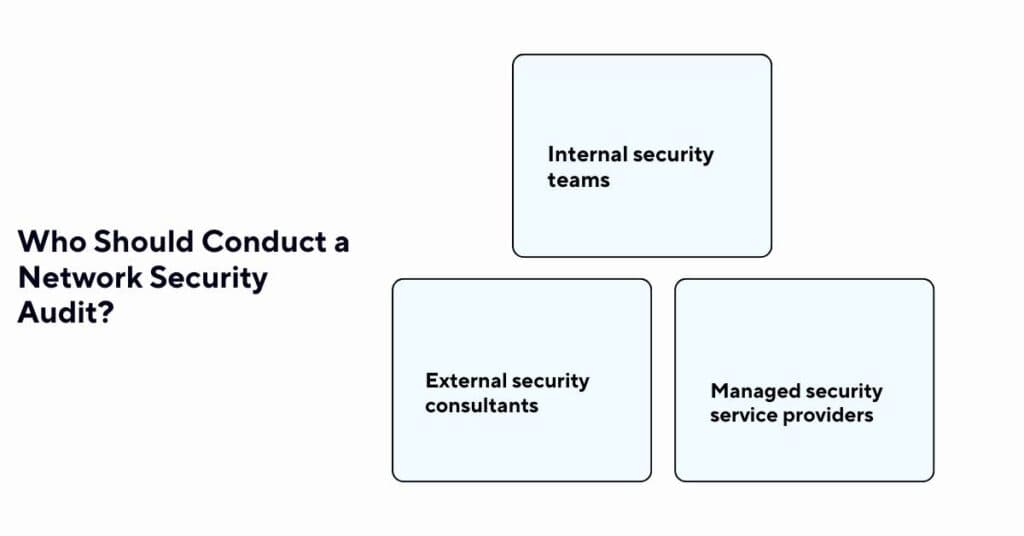
A network security audit should be conducted by a qualified and experienced security professional or team. This can include:
1. Internal security teams
Organizations with internal security teams can conduct network security audits in-house.
2. External security consultants
Organizations can hire external security consultants to conduct network security audits.
3. Managed security service providers
Organizations can outsource network security audits to managed security service providers.
How to Conduct a Network Security Audit?
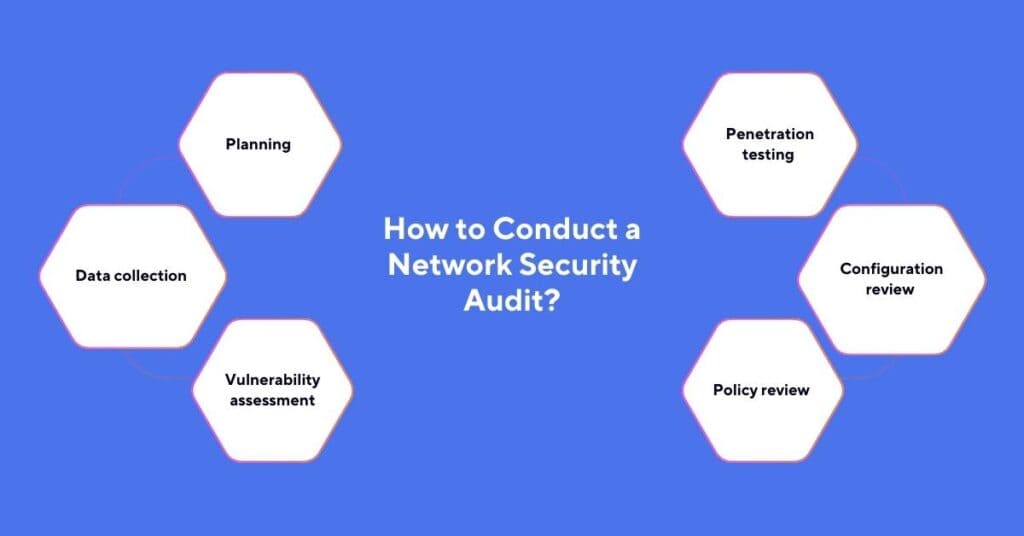
Conducting a network security audit involves several steps:
1. Planning
Define the scope, objectives, and timelines for the audit.
2. Data collection
Collect data on the network infrastructure, systems, and policies.
3. Vulnerability assessment
Identify potential vulnerabilities and weaknesses in the network.
4. Penetration testing
Conduct simulated attacks on the network to test its defenses.
5. Configuration review
Evaluate the configuration of network devices and systems.
6. Policy review
Evaluate the organization’s security policies, procedures, and standards.
Best Practices for Network Security Audits
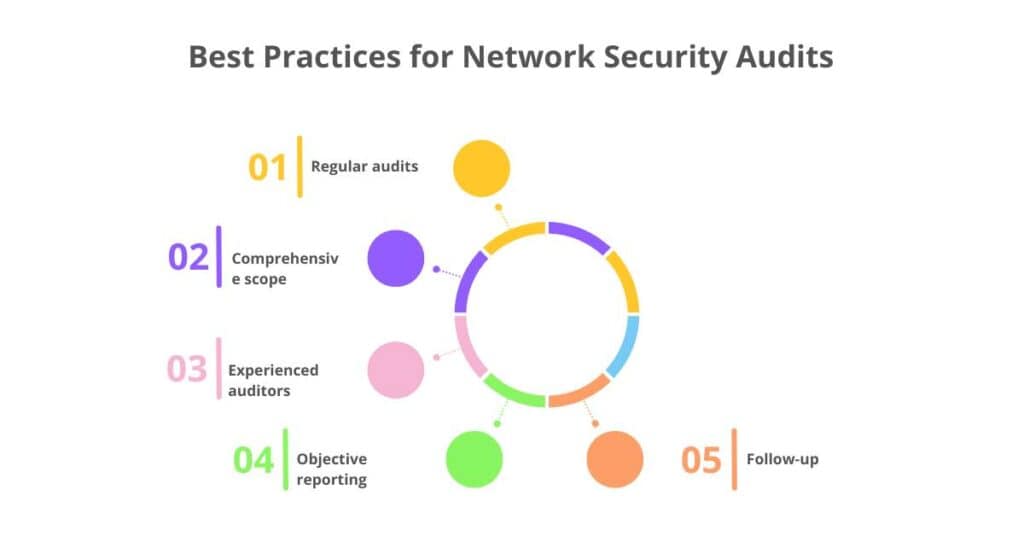
Several best practices should be followed when conducting network security audits, including
1. Regular audits
Conduct regular network security audits to ensure the network remains secure.
2. Comprehensive scope
Ensure the audit scope is comprehensive and includes all aspects of the network.
3. Experienced auditors
Ensure the audit is conducted by experienced and qualified security professionals.
4. Objective reporting
Ensure the audit report is objective and provides recommendations for improvement.
5. Follow-up
Ensure follow-up actions are taken to address identified vulnerabilities and weaknesses.
Conclusion
In conclusion, a network security audit is a comprehensive evaluation of an organization’s network security posture. It’s essential for identifying potential vulnerabilities and weaknesses, ensuring compliance with regulatory requirements, and improving the overall security posture of the organization.
By conducting regular network security audits, organizations can reduce the risk of security breaches, improve compliance, and enhance their reputation. Whether conducted in-house or outsourced to external security consultants, a network security audit is a critical component of any organization’s security strategy.
By following best practices and using the right tools and techniques, organizations can ensure their network remains secure and protected from evolving security threats.
FAQs: What is a Network Security Audit and Why Is It Important?
1. What is a Network Security Audit?
Ans: A Network Security Audit is a comprehensive evaluation of an organization’s network security posture, which includes identifying potential vulnerabilities, assessing the network’s ability to prevent, detect, and respond to security threats, and providing recommendations for improvement.
2. Why is a Network Security Audit important?
Ans: A Network Security Audit is important because it helps organizations identify and address security vulnerabilities, ensure compliance with regulatory requirements, and improve their overall security posture, which can help prevent costly security breaches and protect sensitive data.
3. How often should a Network Security Audit be conducted?
Ans: A Network Security Audit should be conducted regularly, at least once a year, or whenever there are significant changes to the network or systems, to ensure that the organization’s security posture remains up-to-date and effective.
4. What is the difference between a Network Security Audit and a Vulnerability Assessment?
Ans: A Network Security Audit is a comprehensive evaluation of an organization’s network security posture, while a Vulnerability Assessment is a specific test used to identify known vulnerabilities in systems and software.
5. Who should conduct a Network Security Audit?
Ans: A Network Security Audit should be conducted by a qualified and experienced security professional or team, who have the necessary skills and expertise to identify and assess security vulnerabilities and provide recommendations for improvement.
6. What are the benefits of conducting a Network Security Audit?
Ans: The benefits of conducting a Network Security Audit include identifying and addressing security vulnerabilities, ensuring compliance with regulatory requirements, improving the overall security posture of the organization, and reducing the risk of costly security breaches.
7. What is the cost of conducting a Network Security Audit?
Ans: The cost of conducting a Network Security Audit can vary depending on the size and complexity of the organization’s network, as well as the level of expertise and experience of the auditor, but it is generally a worthwhile investment to protect the organization’s sensitive data and systems.
8. Can a Network Security Audit be conducted internally or does it require external expertise?
Ans: A Network Security Audit can be conducted internally by the organization’s own security team, or externally by a third-party security consulting firm, depending on the organization’s resources and expertise.
9. What is the typical outcome of a Network Security Audit?
Ans: The typical outcome of a Network Security Audit is a comprehensive report that identifies security vulnerabilities and weaknesses, provides recommendations for improvement, and outlines a plan for remediation and mitigation.
10. How can an organization ensure that the recommendations from a Network Security Audit are implemented effectively?
Ans: An organization can ensure that the recommendations from a Network Security Audit are implemented effectively by assigning a responsible person or team to oversee the remediation and mitigation efforts, establishing a timeframe for implementation, and tracking progress and providing updates to stakeholders.
