

Data Breach at OmniGPT: A Wake-Up Call for AI Platform Security
The rise of AI-driven platforms has revolutionized how we interact with technology, but recent news has cast a shadow over their security. Hackers have allegedly breached OmniGPT, an AI chatbot platform similar to ChatGPT, exposing sensitive data of over 30,000 users.
This incident highlights the critical need for robust cybersecurity measures in AI systems, particularly those handling personal and sensitive information.
The breach was first revealed on February 9, 2025, when a hacker named “Gloomer” posted on a popular hacking forum claiming responsibility. The breach raises severe concerns about data security in AI platforms and the vulnerabilities they might carry.
Here in this article we are going to discuss aboutData Breach at OmniGPT: A Wake-Up Call for AI Platform Security
What Happened: Details of the Leak?
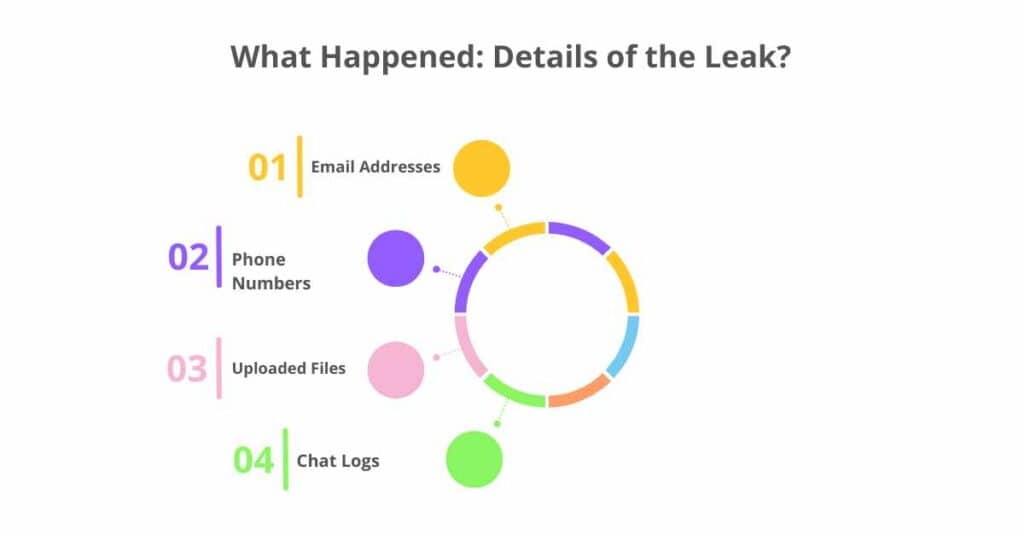
The leaked data reportedly includes email addresses, phone numbers, API keys, and over 34 million user chatbot interactions. The hackers gained access to a wealth of sensitive information, including:
1. Email Addresses
User email addresses were exposed in plaintext.
2. Phone Numbers
Some records also contained associated phone numbers.
3. Uploaded Files
Sensitive documents, such as .docx and .pdf files stored on Google Cloud, were exposed. These files could contain confidential business or personal information.
4. Chat Logs
Conversations between users and the chatbot were also leaked. These chat logs include sensitive queries and responses that could reveal personal or financial data.
The hacker posted screenshots of the leaked data on the forum, confirming the extent of the breach. One particular excerpt from the leaked data contained API request details with references to OmniGPT’s application endpoint. These exposed API request headers and payloads suggest that the breach was caused by vulnerabilities in OmniGPT’s API handling, such as Cross-Origin Resource Sharing (CORS) misconfigurations and improper session management.
The Bigger Picture: Why This Matters
The breach at OmniGPT underscores the risks associated with the increasing use of AI in handling sensitive data. Here are some potential implications of the leak:
1. Exposed Financial Data
The chat logs may include sensitive financial data shared by users during interactions with the chatbot. This information could be exploited by malicious actors for fraudulent activities.
2. Privacy Concerns
Uploaded files, which may contain personal or corporate data, are now at risk of being exposed or misused.
3. Credential Theft
The exposed API details suggest that user authentication tokens were likely captured during the attack. This could lead to credential theft, putting users at further risk.
OmniGPT’s Response

As of now, OmniGPT has yet to release an official statement regarding the breach. However, users are strongly advised to take immediate action to protect themselves. Here are some steps users can take:
1. Change Passwords
Immediately update your passwords for OmniGPT and any other services that may have been affected.
2. Monitor Accounts
Keep a close eye on your accounts for any suspicious activity, including unauthorized logins or unusual transactions.
3. Exercise Caution with AI Interactions
Be mindful of the information shared with AI platforms, particularly sensitive or personal data.
How This Could Have Been Prevented?
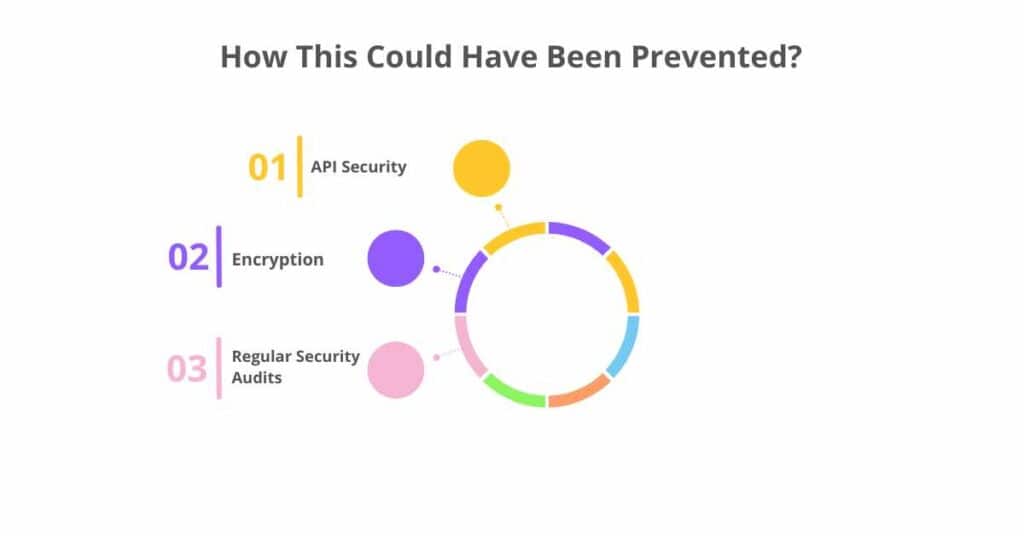
This breach could have been avoided with more stringent security measures, such as:
1. API Security
Properly configuring CORS policies and ensuring robust session management would have reduced the risk of an API exploit.
2. Encryption
Encrypting sensitive data both at rest and in transit would have helped protect the integrity of user data.
3. Regular Security Audits
Continuous penetration testing and vulnerability assessments would help identify and mitigate potential security risks before they can be exploited.
Conclusion
The OmniGPT breach is a stark reminder that AI platforms, like any other technology, are vulnerable to cyberattacks. As AI continues to evolve and handle more sensitive data, it’s crucial that developers implement stronger security measures to safeguard users’ privacy. This incident should encourage organizations across all sectors to prioritize cybersecurity and take proactive steps to secure their systems.
At CyberSapiens, we specialize in conducting comprehensive Vulnerability Assessment and Penetration Testing (VAPT) to ensure your web and AI platforms are secure. Reach out to us today to safeguard your systems from data breaches and other cybersecurity threats. Don’t wait for a breach to happen — protect your users and data before it’s too late!
