
Phishing Attacks on Enterprises: How SOCs Detect and Neutralize Threats
Phishing attacks continue to be one of the most common and dangerous threats for enterprises today. While these attacks may seem trivial at first—often merely disguised as everyday emails they can lead to major breaches if left unchecked. Security Operations Centers (SOCs) play a critical role in detecting phishing campaigns, neutralizing threats, and protecting employees and sensitive data. In this post, we present a comprehensive case study that illustrates the key steps and processes employed by SOC teams to combat phishing attacks.
Here in this article we are going to discuss about the topic of Phishing Attacks on Enterprises: How SOCs Detect and Neutralize Threats and key steps and processes employed by SOC teams to combat phishing attacks
What Are Phishing Attacks?
Phishing is a form of cyberattack in which malicious emails, texts, or messages trick employees into providing sensitive information, clicking on malicious links, or downloading harmful attachments. Attackers use social engineering techniques to mimic trusted sources such as banks, corporate departments, or even well-known vendors. The goal is usually to gain access to confidential information, credentials, or systems that could lead to larger network intrusions. Why Enterprises Are Targeted?
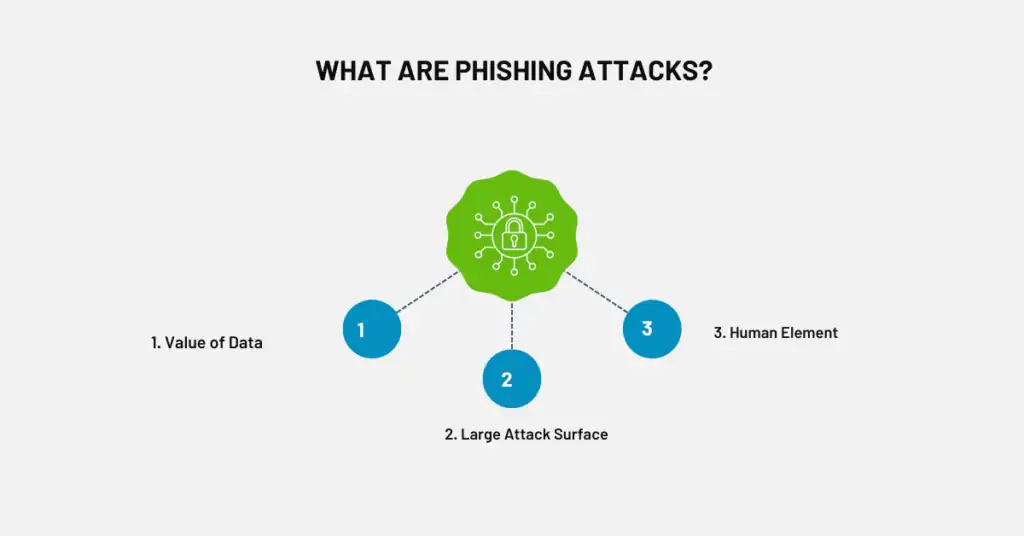
Enterprises are attractive targets for several reasons:
1. Value of Data
Corporate email accounts, proprietary data, and customer information are high-value targets.
2. Large Attack Surface
With numerous employees, multiple systems, and diverse communication channels, finding vulnerabilities is easier.
3. Human Element
Despite advances in security technology, employees remain a common entry point for attackers through human error.
SOCs on the Front Line: Early Detection and Neutralisation
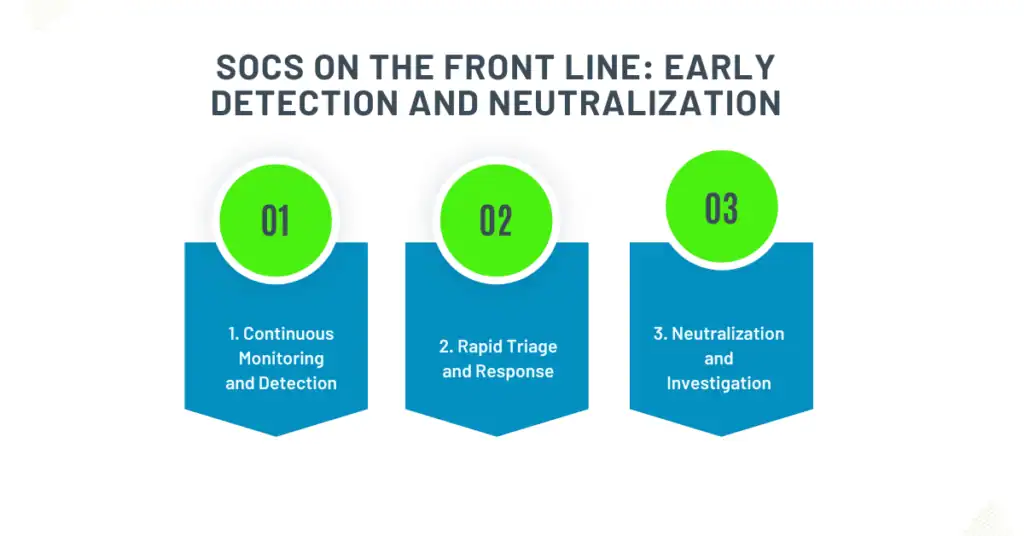
Security Operations Centers (SOCs) are tasked with monitoring, detecting, and rapidly responding to such threats. Here’s how a SOC typically handles phishing campaigns:
1. Continuous Monitoring and Detection
SOCs use multiple tools and techniques to identify phishing attempts in real time:
- Email Filtering & Gateway Security: Advanced email gateways scan incoming messages for malicious attachments, suspicious URLs, and known indicators of phishing.
- Threat Intelligence Feeds: SOCs leverage dynamic threat intelligence that provides real-time indicators of compromise (IOCs), such as domains or IP addresses commonly associated with phishing campaigns.
- User Behavior Analytics (UBA): By monitoring typical user patterns, SOCs can flag anomalies—such as out-of-office emails sent at odd hours or unusual download activities—that might indicate a phishing attack.
2. Rapid Triage and Response
Once a suspicious email is detected, the SOC initiates its incident response protocol:
- Alert Analysis: SOC analysts review alerts generated by email filters, SIEM, and EDR systems to determine if an email is malicious.
- Containment Measures: If a phishing email is confirmed to be malicious, the SOC coordinates with IT to either recall the email or apply filters that quarantine it before employees interact with the content.
- User Notification & Guidance: Employees may receive immediate alerts if their accounts are potentially compromised, along with instructions not to click on any links or attachments contained in the suspicious email.
3. Neutralization and Investigation
After the initial containment, SOC analysts work to neutralize the threat entirely:
- Isolation of Affected Accounts: If any employee inadvertently clicks on a phishing link, the SOC can force a password reset or temporarily disable the account until it is verified secure.
- Forensic Analysis: Using logs, email headers, and endpoint data, SOCs investigate the origin, spread, and potential impacts of the campaign.
- Remediation Actions: The SOC collaborates with IT to update security rules, patch exploited vulnerabilities, and reinforce email filtering parameters, ensuring similar threats are caught in the future.
Case Study: A Real-World Phishing Campaign in an Enterprise Environment
Consider an enterprise that recently experienced a coordinated phishing campaign designed to harvest employee credentials and gain access to internal systems.
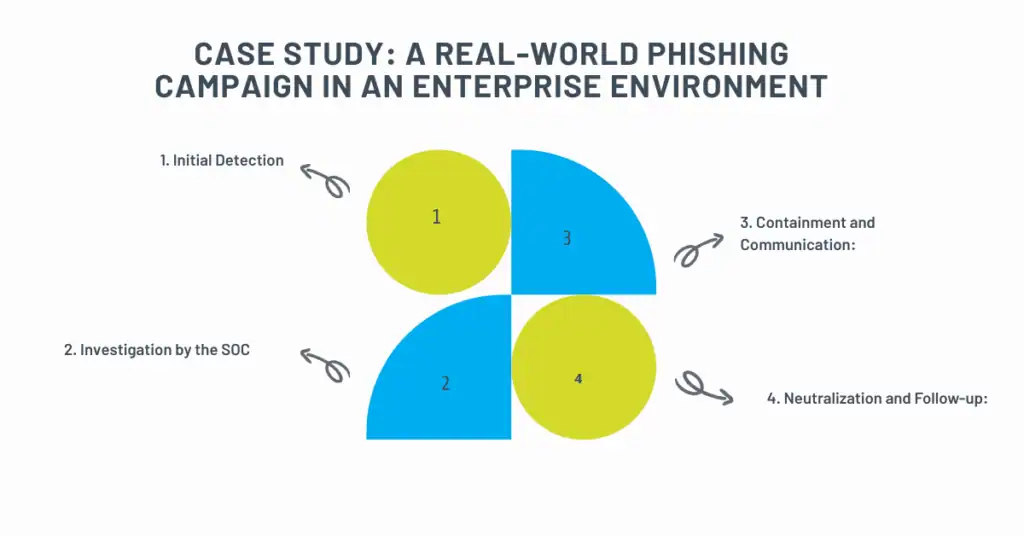
1. Initial Detection
The SOC received multiple alerts from the email gateway about incoming emails that mimicked the format of a trusted human resources (HR) communication. The emails urged employees to update their payroll details via a link to what appeared to be the company’s internal HR portal.
2. Investigation by the SOC
Upon further investigation, the SOC found that the URLs in the emails redirected to a domain registered only a few days prior. Threat intelligence confirmed the domain was linked to other known phishing attacks. Analysts reviewed the email headers, discovering subtle anomalies in the sender’s address that did not match the legitimate HR contact list.
3. Containment and Communication:
The SOC immediately collaborated with the IT department to block the malicious domain across the organization. An all-employee email was sent out, warning of the phishing attempt and providing guidance on how to verify legitimate communications. The SOC also advised on resetting passwords for any accounts accessed during the campaign timeframe.
4. Neutralization and Follow-up:
In the days following the incident, the SOC conducted training sessions and simulated phishing exercises to bolster employee awareness. They also updated their threat detection systems with the new IOCs, ensuring that future emails using similar patterns would be automatically flagged and contained.
Key Takeaways for Enterprises
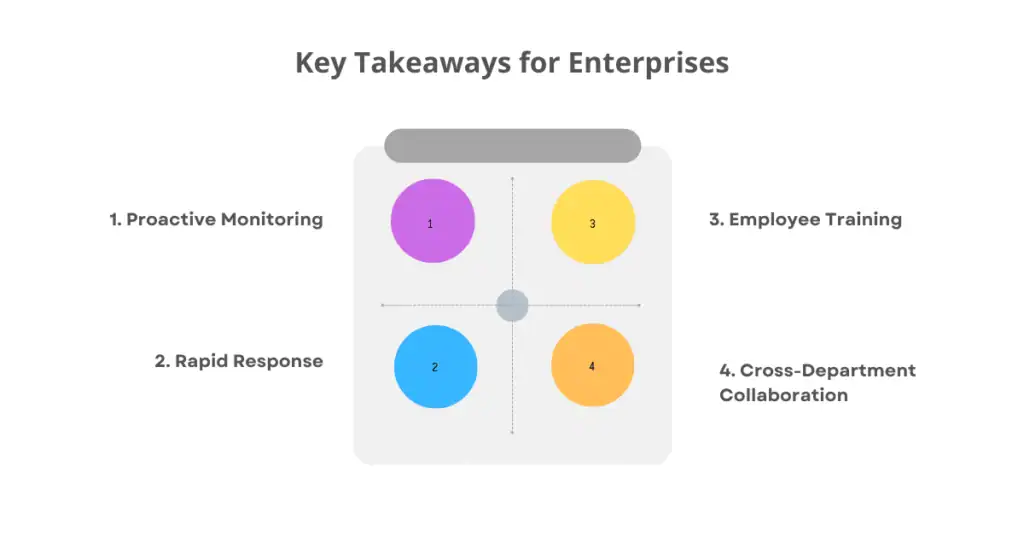
The case study underlines several important lessons:
1. Proactive Monitoring
SOCs that continually monitor email gateways and user behavior are best positioned to detect phishing attempts before they lead to a breach.
2. Rapid Response
Speed is essential. Quickly isolating affected systems and notifying employees can prevent widespread compromise.
3. Employee Training
Even the best SOCs need well-informed users. Regular training and simulated phishing exercises help employees recognize and avoid suspicious emails.
4. Cross-Department Collaboration
Effective handling of a phishing campaign relies on seamless collaboration between the SOC, IT, compliance, and HR departments.
Conclusion
Phishing remains one of the top cyber threats to enterprises, but with advanced detection systems, rapid triage protocols, and ongoing user education, SOCs are well-equipped to neutralize these attacks. By taking a proactive, multifaceted approach, organizations can minimize the risks associated with phishing and safeguard critical business operations and sensitive data.
For enterprises looking to strengthen their defenses, the key lies in not only deploying the latest security tools but also fostering a culture of awareness and responsiveness across the entire organization.
