








Phishing Simulation That Transforms Employees into Defenders

We run realistic phishing simulations to evaluate employee responses, reinforce training, and build a culture of security awareness across your organization.

What is ISO 27001 and Why

What is Phishing Simulation?

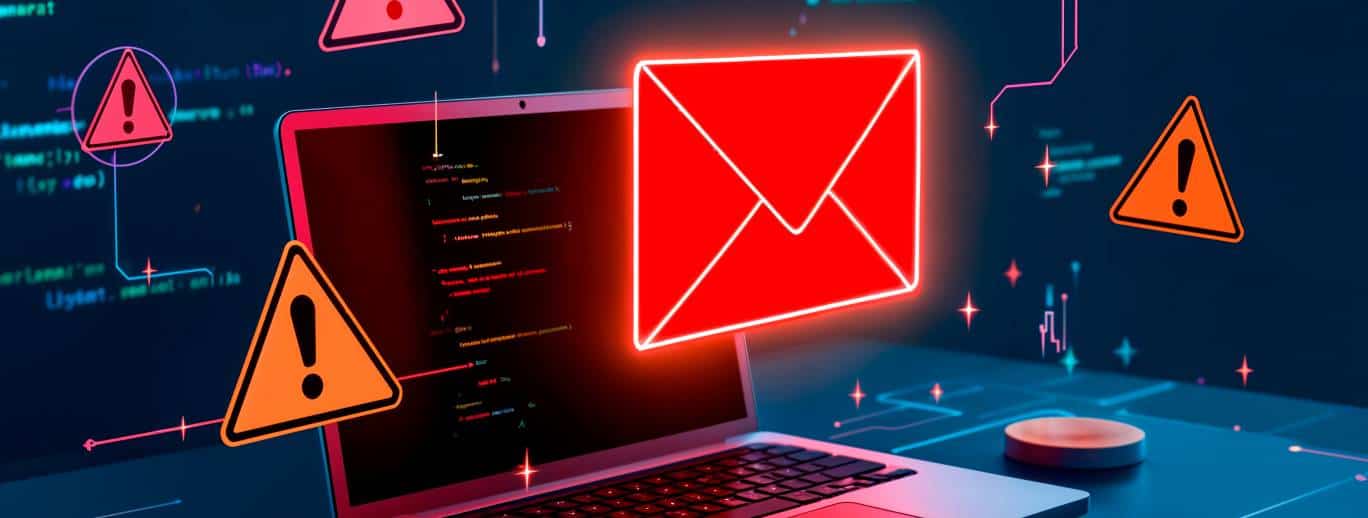
Phishing simulation is a proactive cyber security strategy where safe, controlled fake phishing attacks are sent to employees to test their awareness and response. These simulations mimic real-world phishing tactics without causing harm, helping organizations assess vulnerabilities. It’s a vital step in building a human firewall against social engineering threats.

What is HIPAA

Why Phishing Simulation Matters

ISO 27001 provides a clear framework for managing information security risks.

 It helps safeguard your data, ensure compliance, and build long-term trust.

Employees are the First Line of Defense

Over 90% of cyberattacks begin with a phishing email. Simulations train employees to recognize and report threats.

Reduces Risk of Data Breaches

Identifying weak points before attackers do significantly lowers your risk of costly security incidents.

Measurable Cybersecurity Awareness

Phishing simulations provide quantifiable metrics to track employee awareness and improvement.

Regulatory Compliance

Helps meet compliance requirements such as GDPR, HIPAA, and ISO standards with documented security training.

Reinforces a Security-First Culture

Encourages vigilance and responsibility across all levels of your organization.

Key Benefits of Phishing Simulation

Better Customer Satisfaction

Realistic Attack Scenarios

Custom-designed emails that mirror current phishing trends, increasing authenticity and effectiveness.

Compliance with Legal and Regulatory Requirements

Employee Behavior Analytics

Track click rates, report rates, and response times to pinpoint training needs.

Reduced Costs

Tailored Security Training

Automated training modules are triggered based on employee performance.

Improved Risk Management

Reduced Incident Response Time

Trained employees recognize threats faster, enabling quicker containment.

Reduced Risk of Data Breaches

Continuous Improvement

Periodic simulations keep security top-of-mind and improve response over time.

Our Phishing Simulation Process

Define Scope & Objectives

Understand business needs, risk appetite, and compliance goals.

Baseline Security Assessment

Evaluate current employee awareness through initial simulation.

Custom Scenario Design

Craft industry-specific, realistic phishing templates tailored to your threat landscape.

Simulated Phishing Campaign

Deploy secure, non-harmful phishing emails to selected user groups.

Data Collection & Analysis

Gather performance metrics such as open rates, click rates, and reporting.

Targeted Awareness Training

Provide micro-learning modules to users who interacted with phishing emails.

After-Sales Reporting & Support

Deliver actionable insights, reports, and ongoing support for continuous improvement.

Why Choose Us for Phishing Simulation

We make your compliance journey easy and stress-free with expert support at every step.

 Get certified faster while saving time, money, and effort.

Proven Expertise

Cybersecurity professionals with years of experience in real-world phishing prevention.

Proven Track Record

Fully Customizable Campaigns

Scenarios tailored to your industry, workforce, and threat landscape.

ISO certification and implementation

Compliance-Focused Approach

Aligns with global data privacy and security regulations.

end to end Compliance Support

End-to-End Confidentiality & Trust

From initial consultation to post-simulation analysis, we handle everything.

Tailored Solutions

Employee-Centric Design

Engaging, non-punitive approach to increase awareness without fear.

cybersecurity - CyberSapiens

Real-Time Dashboards

Monitor campaign performance and employee readiness at a glance.

cybersecurity - CyberSapiens

We are different from others!
As we provide:

By building trust and resilience, we envision a future where cyber security is not just a service but a strategic advantage.

Current State Analysis Report of your Organisation Security

GAP Analysis Report

Industry's Best Security Control with budget friendly approach

We help you Go Beyond ISO 27001

Expert Guidance

With us you get

all this for FREE!

FREE Phishing

Simulation Activity

Web Application VAPT

for Your Website

Security Awareness Training with Practical Attack Demonstration

See what our clients say about us!

At CyberSapiens, we earn trust through results. From startups to enterprises, our clients rely on us to protect what
matters most. Here’s what they say about partnering with us.

Full StarFull StarFull StarFull StarFull Star

Ever since 2021, CyberSapiens has been our top choice for all things Cyber Security. They've truly become our trusted partners, offering expert guidance and services to protect our digital assets.

Claude Pinto

CEO - ByteWay

Full StarFull StarFull StarFull StarFull Star

Choosing CyberSapiens for our ISO 27001 certification was one of our best decisions. Their excellent coordination and timely delivery of commitments were commendable. The team's expertise ensured a smooth, stress-free process. What stood out was their reliability and exceptional customer support, always available to address our concerns and provide clear guidance.

CyberSapiens not only helped us achieve ISO 27001 certification but also deepened our understanding of security protocols. This significantly enhanced our credibility with clients and partners. We highly recommend CyberSapiens to any organization seeking a trustworthy and knowledgeable partner for ISO 27001 certification.

Dharmesh Joshi

Trikon

Full StarFull StarFull StarFull StarFull Star

We used CyberSapiens as our cyber security consultants for the ISO 27001 audit. We got intensive support from the team to prepare us for something we hadn’t done before and being a fast-growing organization had no experience in to. Thanks to our security consulting team's effort, we are now on top of our cyber security compliance and are ISO 27001 certified. You’ll be in good hands with CyberSapiens for cyber security compliance.

Girish Bhatia

Director/Lead Consultant - Compass Consult

Full StarFull StarFull StarFull StarFull Star
Dear CyberSapiens United LLP Team,I wanted to share my feedback on the recent ISO 27001:2022 Certification service you provided. Your team's expertise and thoroughness were impressive, guiding us seamlessly through the certification process and ensuring compliance. The detailed assessment report and actionable recommendations were invaluable for our compliance efforts. For future engagements, clearer and more frequent updates on project milestones would be appreciated. Overall, we are satisfied with the quality of your service and the results achieved. We value our partnership and look forward to continuing our collaboration. Thank you for your dedication.

Lachlan Glen

CEO - LDS

Full StarFull StarFull StarFull StarFull Star

Our experience with CyberSapiens for ISO 27001 certification was exceptional. Their positive and professional approach fostered a collaborative environment. The team’s technical expertise provided us with valuable insights and tailored solutions.

What stood out was their flexibility and timely delivery. They adapted to our schedule seamlessly, ensuring we stayed on track without disruptions. Their commitment to meeting deadlines and addressing concerns promptly made the process smooth and efficient.

We highly recommend CyberSapiens for their positive attitude, technical skills, flexibility, and timely execution. They are a reliable partner for ISO 27001 certification.

Madan

Smartcoin

Full StarFull StarFull StarFull StarFull Star

CyberSapiens made our ISO 27001 certification process smooth and straightforward. Their team provided clear guidance and support every step of the way. We are now confident in our cyber security practices and proudly certified. Highly recommend CyberSapiens for anyone looking to achieve ISO 27001 certification.

Nijil

Manager - DITS

Full StarFull StarFull StarFull StarFull Star

CyberSapiens exudes positivity, technical brilliance, adaptability, and unwavering punctuality in everything they do. They're not just experts; they're people you can trust.

Sasikumar

Verticurl Pte Ltd

Full StarFull StarFull StarFull StarFull Star

CyberSapiens made achieving ISO 27001 certification process seamless. We are really happy, and we are now certified. Highly recommend their reliable and efficient support and special thanks to Robin and team.


Rexine

Perry's sequine

Other services

SOC Compliance

Ensure continuous regulatory alignment and risk reduction with our expert-led SOC compliance services tailored to your business.

VAPT (Vulnerability Assessment & Penetration Testing)

Identify and eliminate security vulnerabilities with our advanced VAPT services to protect your digital infrastructure.

HIPAA

Stay compliant and safeguard patient data with our comprehensive HIPAA compliance and security consulting solutions.

cyber security - CyberSapiens

Security Operations Center (SOC)

Monitor, detect, and respond to cyber threats in real time with our 24/7 Security Operations Center services.

Red Team Assessment

Test your defenses against real-world cyber threats with our Red Team Assessments that simulate advanced attack scenarios.

Phishing Simulation

Educate and protect your workforce with our realistic phishing simulations and reporting analytics.

ACSC Essential 8

Achieve robust cyber security maturity with our tailored ACSC Essential Eight implementation and advisory services.

Training & Certification

Kickstart your cybersecurity career with hands-on training and certifications designed for final-year students, interns, and career switchers.

Need help?
we've got answers

What is Phishing Simulation?

Phishing simulation aims to educate and raise awareness among employees about the risks associated with phishing attacks and identify any vulnerabilities in the organization’s security measures.

By simulating a phishing attack, phishing simulation can be used to test and improve an organization’s security awareness.

Typically, phishing simulation entails sending a fake phishing email to employees that appear to be legitimate emails from a trusted source, such as a bank or a well-known company.

The email could include a link to a bogus login page where the employee is prompted to enter their login credentials.

Yes, phishing simulation can effectively raise security awareness in an organization and reduce the risk of falling victim to phishing attacks.

Several studies have found that phishing simulation can raise employee awareness of the dangers of phishing attacks and improve their ability to detect and report such attacks.

Phishing simulation can also assist in identifying any flaws in an organization’s security measures and provide an opportunity to address them before an attack occurs.

Organizations can reduce the likelihood of a successful phishing attack and the impact of any attacks that do occur by educating employees and testing their knowledge and skills.

Here are the following benefits of phishing simulation service:

Increased Security Awareness


Phishing simulation can help employees recognize the signs of a phishing attack and understand the risks involved. This increased awareness can help prevent successful attacks and minimize the impact of any attacks that do occur.

Improved Security Measures

Phishing simulation can help identify any vulnerabilities in an organization’s security measures and allow them to be addressed before an attack occurs. This can help to improve overall security and lower the likelihood of successful attacks.

Improved incident Response

By practicing incident response procedures during phishing simulation exercises, organizations can better prepare for real-world attacks and respond to them more quickly and effectively when they occur.

A variety of organizations can carry out phishing simulations, including:

Internal IT Security Teams: Many organizations have IT security teams managing security measures, including phishing simulations.

Third-party Security Providers: Some businesses may outsource their security measures to third-party cybersecurity providers. These providers may provide phishing simulation services as part of their overall security package.

Security Consulting Firms: Security consulting firms can also offer phishing simulation services as part of their consulting services. These companies can advise businesses on improving their security measures and assist them in developing effective incident response plans.

Phishing simulations are used to assess a company’s security awareness and susceptibility to phishing attacks.

Some of the main reasons why running phishing simulations can be beneficial are as follows:

Identify Flaws: Phishing simulations can assist in identifying flaws in an organization’s security awareness, policies, and procedures.

Phishing simulations can be used to test the effectiveness of security controls such as email filters and anti-phishing training.

Employee Education: Phishing simulations can be used to teach employees how to recognize and avoid phishing attacks.

Reduce Risk: Phishing simulations can help reduce the risk of a successful phishing attack by identifying vulnerabilities and testing security controls.

Phishing simulations can be useful in raising awareness and educating people about the dangers of phishing attacks. Organizations can train their employees to recognise the warning signs of a phishing attempt and take appropriate action to prevent a successful attack by simulating a phishing attack.

However, the effectiveness of phishing simulations can be affected by a variety of factors, including simulation quality, frequency of training, and employee engagement. The simulation’s effectiveness may be limited if it is poorly executed or if employees are not engaged in the training.

Our Phishing Simulation Methodology involves the following steps:

  1. Step 1: Define your target audience to set a phishing template
  2. Step 2: Simulate the Phishing Attack
  3. Step 3: Get a report to identify the phished employees
  4. Step 4: Train them to be aware of Phishing Attacks
  5. Step 5: Perform another simulation to test them again
  6. Step 6: Simulate again after a certain duration

The most common warning signs of phishing include:

Unexpected or Suspicious Emails: Phishing emails may appear from a legitimate source but often have suspicious elements, such as a strange or misspelled email address.

Urgent or Threatening Messages: Phishing emails may use scare tactics to get the recipient to click on a link or download an attachment, such as threatening to close an account.

Suspicious Links or Attachments: Phishing emails often contain links or attachments that, when clicked or downloaded, can infect the recipient’s computer with malware.

Requests for Sensitive Information: Phishing emails often ask recipients to provide sensitive information, such as usernames, passwords, or credit card numbers.

Poor Spelling and Grammar: Many phishing emails contain poor spelling and grammar, which can signify that they need to be more legitimate.

Unusual Sender or Subject: Phishing emails may come from an unfamiliar sender or have a subject that needs to be clarified in context.

Suspicious URL: Phishing emails may contain links that, when hovered over, reveal a suspicious or unfamiliar URL.

There are several types of phishing, some of the most common include:

Email Phishing: This involves using email to trick users into providing sensitive information such as login credentials or personal data.

Smishing: This is a type of phishing that involves the use of text messages (SMS) to deceive users.

Vishing: This involves using voice calls or VoIP (Voice over Internet Protocol) to trick users into divulging sensitive information.

Spear Phishing: This is a targeted type aimed at specific individuals or organizations. Attackers use the information they have gathered about the target to make their phishing attempts more convincing.

Clone Phishing: This involves creating a fake website that looks similar to a legitimate website, intending to steal login credentials or personal information.

Whaling: This type of phishing is aimed at high-level executives or key individuals within an organization.

Social Media Phishing: This involves using social media platforms to deceive users into providing sensitive information.

Search Engine Phishing: This is a type of phishing where attackers create fake websites that appear in search results to steal personal information.

When a phishing email is opened, it can have various consequences depending on the intent of the attacker and the actions taken by the recipient. Some common scenarios include:

Installation of Malware: The email may contain a malicious attachment or a link to a fake website that, when clicked, installs malware on the recipient’s device. The malware can then be used to steal sensitive data, track keystrokes, or take control of the device.

Credential Theft: The email may prompt the recipient to enter their login credentials on a fake website or provide sensitive information such as credit card details or social security numbers. The attacker can then use this information to gain unauthorized access to the victim’s accounts or commit identity theft.

To avoid failing a phishing test, adhere to the following best practices:

Be Aware of Unexpected Emails: Be wary of emails from unknown senders, especially those that request personal or sensitive information or contain time-sensitive requests.

Examine the Sender’s Email Address: Scammers frequently use email addresses that resemble legitimate addresses but have minor differences. Before responding to an email, always check the sender’s email address.

Check the Email’s Content: Look for misspellings, poor grammar, and suspicious links or attachments.


Avoid Clicking on Suspicious Links: Hover over links to see the URL before clicking, and never enter sensitive information on an unfamiliar website.

The average phishing rate is calculated by dividing the total number of phishing attempts by the number of successful phishing attempts and multiplying the result by 100 to get a percentage. The average phish rate is calculated as follows:

(Number of Successful Phishing Attempts / Total Number of Phishing Attempts) x 100% = Average Phish Rate

For example, if a company sends out 100 simulated phishing emails and 10 employees fall for one of them, the average phishing rate would be:

(10 / 100) x 100% = 10%

This means that the fake phishing email duped 10% of the employees. The average phishing rate can be used to track the efficacy of security awareness training and phishing simulations.

Stay Informed.
Get in Touch.

Want to learn more about CyberSapiens’ services or need help getting started with Phishing Simulation and other cyber security services?
Fill out the form below and our experts will get back to you shortly.

For immediate assistance, feel free to call us at +91 6364011010 or
email us at sales@cybersapiens.co


    Services-get in Touch
    Phishing Simulation Organic Form

    Related resources

    img
    Event

    Cloud Security Audit for Healthcare

    Watch now
    cybersecurity - CyberSapiens
    Case Study

    Securing APIs for a Software Provider

    Read now
    Top 10 Best SOC2 Compliance Vendors in USA (2026 Guide)
    Blog

    Top 10 Best SOC2 Compliance Vendors in USA (2026 Guide)

    Read the full guide
    Download Report