



Dedicated expertise to ensure you have the answers, guided documentation, and extended team members you need when you need them.
We host regular status/coordination/working meetings between your project team and our experts dedicated to your project.
Leveraging our expertise, proven processes and artefacts simplifies the process of achieving certification.
We ensure your success by validating all artifacts to guarantee they fully conform to the standard.
We help to build the standard committee and metrics meetings to ensure the effectiveness of the controls.
We conduct your Internal Audit (including Corrective Action Plans & Management Reviews).
We provide on-site support to ensure your certification audit goes off without a hitch.
We have a 100% success rate in bringing clients to the respective certification.
We provide ongoing support to operate the ISMS, manage information risk, continually improve your security posture, execute your Internal Audit Program, and successfully maintain your certification.
For any Standard or Regulations, we have a defined process to ensure that we achieve the desired output. For every standard and regulation, the process remains the same.
Understand the requirement and define the scope accordingly.
Analyze what controls are implemented currently.
Map the existing controls to the applicable standard/regulation.
Identify controls/Gaps that would be required as per applicability.
Assess and Define Risks as per the applicable factors.
Ensure the controls are implemented accordingly.
Perform Internal Audit to prepare for the final Certification.
Participate in external audits and assist accordingly.
Close the project once the certification is published.

It is the process of implementing and adhering to industry standards and best practices for cybersecurity is standard implementation. This process is part of identifying the relevant standards and guidelines, assessing the organization's current cybersecurity practices, and making changes to align with the standards and best practices.
The Payment Card Industry Data Security Standard (PCI DSS) is a set of security standards to ensure that all businesses that accept, process, store, or transmit credit card information operate securely.
To ensure the security of customer data, organizations that handle credit card information must adhere to the PCI DSS standards.
The process of verifying that an organization has implemented and is adhering to relevant cybersecurity standards and best practices is called certification.
Third-party organizations can perform independent audits or assessments to obtain certification.
ISO 27001 is a widely accepted international information security management systems (ISMS) standard. Organizations can be audited to ensure they have implemented and adhered to the ISO 27001 standard.
This certification can assist organizations in demonstrating to customers and stakeholders that they take cybersecurity seriously and are committed to safeguarding sensitive data.
The standards and regulations that we follow are:
Here’s why you must choose us:
Our standard implementation and certification include the following steps:
Understand the requirement and define the scope accordingly.
Analyze what controls are implemented currently.
Map the existing controls to the applicable standard/regulation.
Identify controls/gaps required per applicability.
Assess and Define Risks per applicable factors.
Ensure the controls are implemented accordingly.
Perform an Internal Audit to prepare for the final Certification.
Participate in external audits and assist accordingly.
Close the project once the certification is published.
Follow the below 3 Steps to implement Cyber Security in your organisation:
Storage networking uses networked storage devices and systems to store, manage, and access data. Several security implementations can be implemented to ensure the security of sensitive data stored in storage networks.
Some of the most important security implementations in storage networking are:
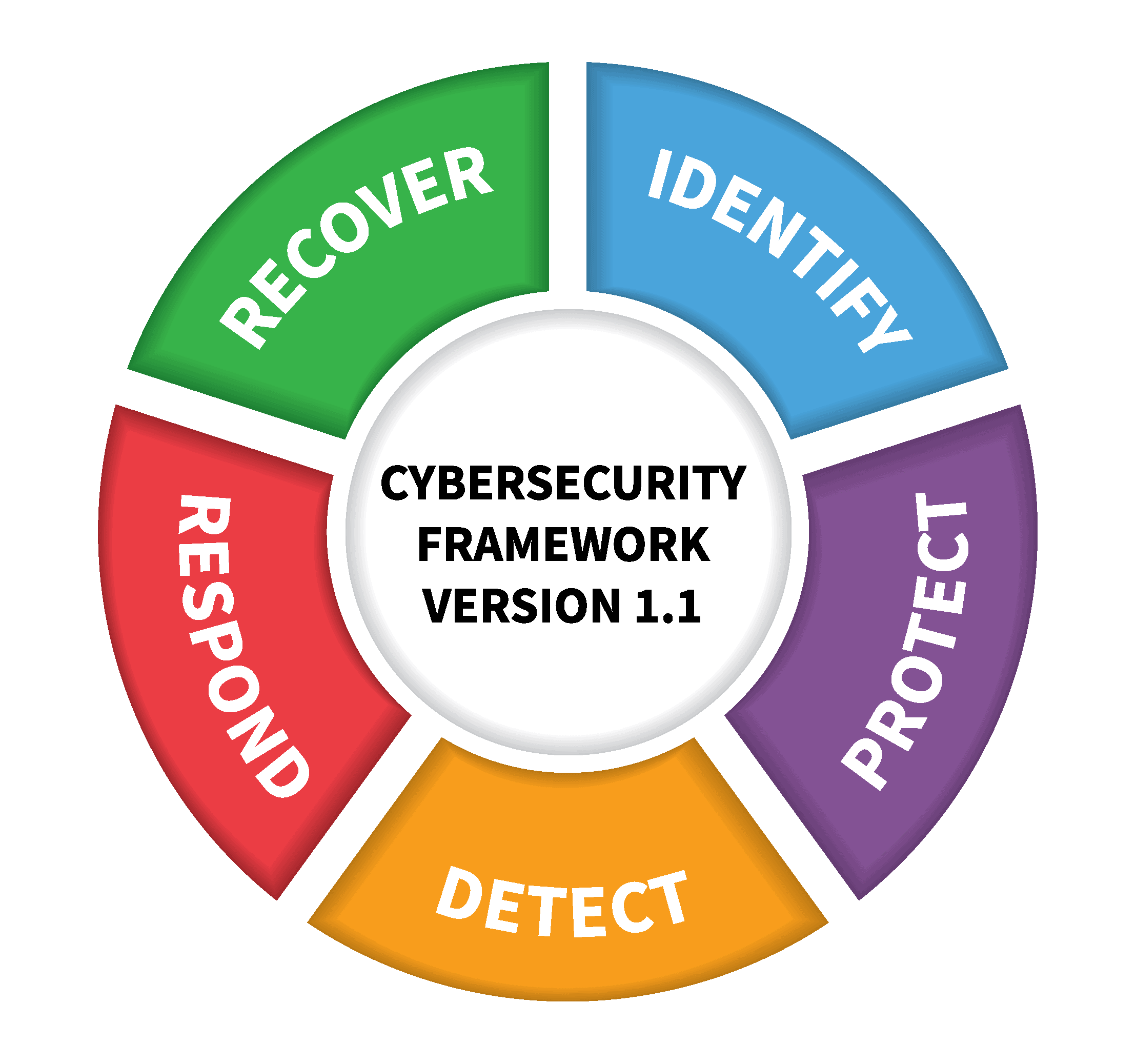
The major 5 implementation stages are:
The process of putting policies, procedures, and technologies in place to protect computer systems, networks, and data from unauthorized access, theft, or damage is referred to as cybersecurity implementation.
The goal of implementation is to ensure that the security measures are effective at mitigating the risks and threats in the digital environment.
This includes identifying vulnerabilities and implementing countermeasures, such as installing firewalls, implementing access controls, and encrypting sensitive data.
Connect with us for the following security consultations:
The ISO 27001 standard is widely used in implementing information security management systems (ISMS). It provides a framework for managing and safeguarding sensitive data such as personal information, financial information, intellectual property, and other sensitive data.
Cybersecurity standards are guidelines, frameworks, and best practices organizations can use to manage and reduce cybersecurity risks.
These standards establish a uniform set of requirements for safeguarding sensitive information such as personal information, intellectual property, financial information, etc.