
SOC 2 Compliance Requirements for Healthcare Cloud Platforms in New Zealand
The cloud platforms in the healthcare industry in New Zealand are revolutionizing the storage, management, and handling of medical information. Whether it is electronic health records, telemedicine platforms, patient portals, or healthcare SaaS applications, these cloud platforms deal with extremely confidential patient medical information. As a result, it has become the need of the hour to ensure that these platforms have top-notch data security, privacy, and reliability.
Healthcare organizations, vendors, and other stakeholders require cloud service providers to showcase their top-notch security measures and adherence to industry-accepted standards. Among the most reliable standards for assessing the secure handling and protection of extremely confidential patient medical information by healthcare cloud platforms is SOC 2 compliance.
SOC 2 compliance in healthcare cloud platforms in New Zealand not only ensures the highest level of security for patient medical information but also helps to establish trust with healthcare organizations.
What is SOC 2 Compliance?
SOC 2 compliance is a security and compliance framework developed by the American Institute of Certified Public Accountants (AICPA) to ensure organizations securely manage and protect customer data. It evaluates whether a company has implemented proper controls and processes to safeguard sensitive information, making it especially important for healthcare cloud platforms that handle patient data.
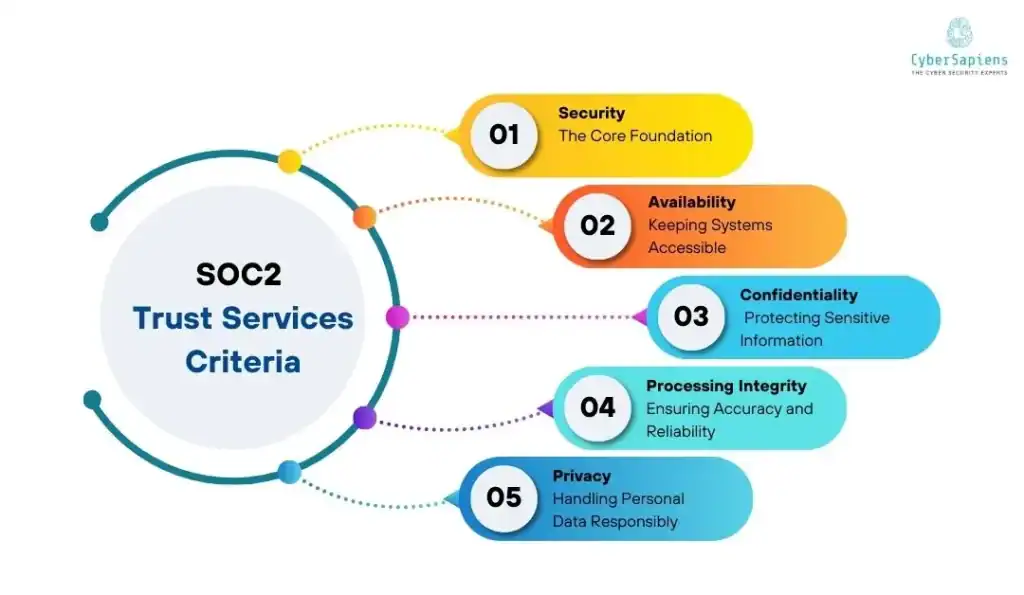
SOC 2 compliance is based on five Trust Services Criteria:
- Security: Protecting systems and data from unauthorized access and cyber threats.
- Availability: Ensuring healthcare systems remain operational and accessible when needed.
- Processing Integrity: Ensuring healthcare data is processed accurately and reliably.
- Confidentiality: Protecting sensitive medical records and confidential healthcare information.
- Privacy: Ensuring personal health information is collected, used, and protected appropriately.
There are two types of SOC 2 reports:
- SOC 2 Type I evaluates the design of security controls at a specific point in time.
- SOC 2 Type II evaluates the effectiveness of those controls over a monitoring period.
For healthcare cloud platforms in New Zealand, SOC 2 compliance demonstrates a strong commitment to protecting patient data, maintaining secure cloud operations, and meeting the security expectations of healthcare providers and partners.
Why SOC 2 Compliance is Important for Healthcare Cloud Platforms in New Zealand?
Healthcare cloud platforms handle extremely confidential patient health data, which requires robust security and compliance measures. SOC 2 compliance ensures that adequate measures are taken to secure patient health data and ensure the secure and sound functioning of cloud services.
- Securing Confidential Patient Health Data: Healthcare cloud platforms store important information like medical records, test results, and patient health information. SOC 2 compliance ensures robust security measures like access control, encryption, and monitoring to safeguard this information from unauthorized access and breaches.
- Establishing Trust with Healthcare Providers and Partners: Hospitals, healthcare centers, and healthcare organizations use cloud services to manage patient health information securely. SOC 2 compliance ensures that your cloud service adheres to strict security norms, thereby establishing trust and credibility with healthcare providers and partners.
- Supporting Data Protection and Privacy Obligations: Healthcare entities are required to adhere to rigorous data protection and privacy obligations. SOC 2 compliance can further enhance the security controls within an entity, along with data governance, to ensure responsible and secure handling of healthcare data.
- Ensuring Secure and Reliable Cloud Operations: SOC 2 compliance ensures that healthcare cloud services have system monitoring, risk management, and incident response controls. This ensures that systems are secure, available, and reliable for healthcare providers and patients.
- Facilitating Business Growth and Market Entry: SOC 2 compliance is a key differentiator that ensures robust security measures. It enables healthcare cloud services in New Zealand to gain healthcare clients, partnerships, and entry into the international healthcare market, where security compliance is mandatory.
Key SOC 2 Compliance Requirements for Healthcare Cloud Platforms
Healthcare cloud platforms need to have robust security, privacy, and operational controls in place to ensure SOC 2 compliance. These controls help ensure that the sensitive health information of patients is protected and that the systems are secure, reliable, and available.
- Access Control and Identity Management: Healthcare cloud platforms need to have robust access controls in place to ensure that only authorized individuals are able to access sensitive information and systems. This includes role-based access control (RBAC), multi-factor authentication (MFA), secure user authentication, and access reviews to ensure that unauthorized access is prevented.
- Data Encryption and Protection: SOC 2 compliance requires healthcare platforms to ensure the protection of patient data through robust encryption techniques. The data needs to be encrypted both in transit and at rest, and best practices for encrypting encryption keys need to be followed to ensure that the data is not compromised.
- System Monitoring and Activity Logging: System and user activity monitoring and logging are critical to the detection of suspicious and security-related incidents. Healthcare cloud platforms must therefore implement logging functionality, monitoring tools, and alerting systems to quickly detect and respond to potential security threats.
- Risk Assessment and Risk Management: Organizations must be able to identify, assess, and manage risks that could affect the security and availability of healthcare systems. This includes risk assessments, risk mitigation, and risk management program maintenance.
- Incident Response and Security Management: Healthcare cloud platforms must develop an incident response plan to detect, respond to, and recover from security incidents. This ensures that timely action is taken to mitigate damage and protect patient data in the event of breaches or cyber attacks.
- Vendor and Third-Party Risk Management: Third-party vendors, such as cloud service providers and partners, are common in the healthcare industry. SOC 2 compliance requires that organizations assess and monitor the security processes of these vendors to ensure they are compliant with security and regulatory requirements.
- Data Backup and Disaster Recovery: Healthcare systems must be available and operational. SOC 2 compliance requires secure data backup procedures, disaster recovery plans, and business continuity processes to ensure that patients’ data is not lost and that systems can quickly recover from any disruptions.
- Security Policies, Procedures, and Training: Healthcare cloud systems must have written security policies and procedures related to access control, data protection, incident response, and risk management. Employee security awareness training is also required to ensure that employees adhere to security best practices.
Adherence to the above SOC 2 compliance requirements will enable healthcare cloud systems in New Zealand to safeguard sensitive patient data, operate securely in the cloud, and gain the trust of healthcare providers and partners.
How CyberSapiens Helps Healthcare Cloud Platforms in New Zealand Achieve SOC 2 Compliance?
CyberSapiens provides specialized SOC 2 compliance consultation designed to help healthcare cloud platforms in New Zealand protect sensitive patient data and achieve certification efficiently. With expertise in healthcare security, cloud environments, and compliance frameworks, CyberSapiens simplifies the SOC 2 compliance process and ensures your platform is fully prepared for audit.
1. SOC 2 Readiness Assessment and Gap Analysis
CyberSapiens conducts a comprehensive assessment of your healthcare cloud infrastructure, security controls, policies, and processes to identify gaps against SOC 2 requirements. This helps healthcare platforms understand their current compliance status and prioritize necessary improvements.
2. Customized Compliance Roadmap
Based on the readiness assessment, CyberSapiens develops a tailored compliance roadmap aligned with your healthcare platform’s architecture, data handling processes, and risk profile. This ensures a structured and efficient approach to achieving SOC 2 compliance.
3. Policy Development and Documentation Support
CyberSapiens helps create and implement essential security policies and documentation required for SOC 2 compliance, including access control policies, incident response plans, risk management procedures, data protection policies, and vendor management guidelines.
4. Implementation of Security Controls
CyberSapiens provides expert guidance on implementing required technical and administrative controls such as identity and access management, encryption, logging and monitoring, risk assessment, and incident response. These controls ensure the protection of sensitive patient health information.
5. Automated Compliance Platform for Evidence Collection
CyberSapiens offers an automated compliance platform that simplifies evidence collection, control tracking, and compliance monitoring. This reduces manual effort, improves accuracy, and ensures all audit evidence is properly organized and accessible.
6. Audit Preparation and Auditor Coordination
CyberSapiens prepares healthcare cloud platforms for SOC 2 audits by reviewing implemented controls, organizing audit evidence, and coordinating with SOC 2 auditors. This ensures a smooth audit process and increases the likelihood of successful certification.
7. Continuous Compliance and Ongoing Support
SOC 2 compliance requires continuous monitoring and maintenance. CyberSapiens provides ongoing support, compliance tracking, and regular reviews to help healthcare cloud platforms maintain compliance and remain audit-ready.
8. Scalable Approach Based on Platform Size and Complexity
CyberSapiens offers flexible compliance solutions based on your platform’s size, infrastructure, and readiness level. This ensures an efficient and cost-effective path to SOC 2 compliance while allowing healthcare organizations to focus on delivering secure and reliable healthcare services.
Clients Served by CyberSapiens



Strengthening Healthcare Cloud Security with SOC 2 Compliance in New Zealand
As healthcare organizations in New Zealand increasingly rely on cloud platforms to store and manage sensitive patient data, ensuring strong security and compliance has become essential. SOC 2 compliance provides healthcare cloud platforms with a trusted framework to protect patient information, implement effective security controls, and maintain reliable and secure cloud operations. It helps build trust with healthcare providers, partners, and stakeholders while supporting regulatory alignment and risk management.
However, achieving SOC 2 compliance requires careful planning, proper control implementation, and ongoing monitoring. With expert guidance from CyberSapiens, healthcare cloud platforms can simplify the compliance process, address security gaps, and prepare successfully for SOC 2 audits. By achieving SOC 2 compliance, healthcare cloud platforms in New Zealand can strengthen their security posture, enhance credibility, and confidently support the growing demand for secure and reliable healthcare cloud services.
FAQs: SOC 2 Compliance Requirements for Healthcare Cloud Platforms in New Zealand
1. Why is SOC 2 compliance important for healthcare cloud providers?
Answer: SOC 2 compliance helps healthcare cloud providers protect sensitive patient data, prevent security breaches, build trust with healthcare organizations, and demonstrate their commitment to secure cloud operations.
2. What are the key security controls required for SOC 2 compliance?
Answer: Key controls include access management, multi-factor authentication, data encryption, system monitoring, incident response, risk management, vendor security evaluation, and data backup and recovery procedures.
3. How long does it take for healthcare cloud platforms to achieve SOC 2 compliance?
Answer: The timeline depends on the platform’s size, infrastructure complexity, and readiness level. Organizations with existing security controls and proper documentation can achieve compliance faster, while others may require more time to implement the required controls.
4. How does SOC 2 compliance protect patient health information?
Answer: SOC 2 requires healthcare platforms to implement strong security measures such as encryption, access controls, monitoring, and incident response. These controls help prevent unauthorized access, data breaches, and data loss.
