
Affordable Phishing Simulation Platforms for Startups and SMBs in 2026
Phishing attacks in 2026 are no longer crude or easy to spot; they are targeted, automated, and designed to exploit human behavior. For startups and SMBs, this creates a difficult challenge: how to protect teams from phishing without stretching already limited security budgets or slowing day-to-day operations.
While large enterprises invest heavily in advanced security stacks, smaller organizations often face the same threats with fewer resources. A single successful phishing attack can lead to credential theft, ransomware, data loss, and reputational damage, costs that startups and SMBs can least afford.
This is why affordable phishing simulation platforms are becoming essential in 2026. By offering continuous, behavior-driven training at a manageable cost, these platforms help growing businesses reduce risk, build security awareness, and scale protection alongside growth, without unnecessary complexity or expense.
Why Startups & SMBs Are Prime Targets for Phishing?
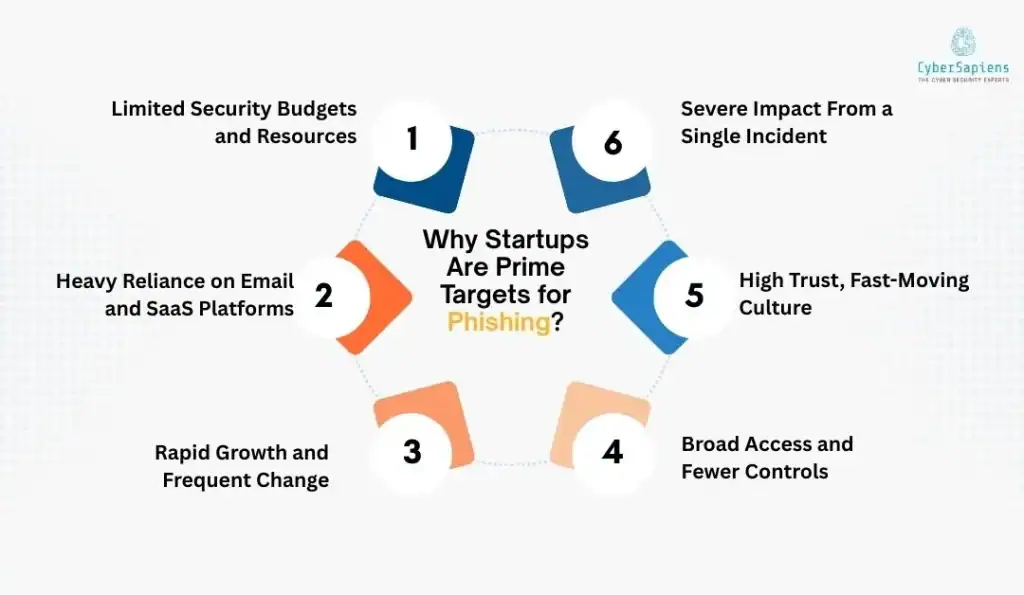
Startups and SMBs are increasingly targeted by phishing attacks because attackers view them as high-impact, low-resistance opportunities. Several factors make smaller organizations especially attractive in 2026:
- Limited Security Budgets and Resources: Many startups and SMBs operate without dedicated security teams or advanced defense tools, making phishing attacks easier to execute and harder to detect.
- Heavy Reliance on Email and SaaS Platforms: Cloud-based tools, collaboration platforms, and email-driven workflows create multiple opportunities for credential theft and impersonation attacks.
- Rapid Growth and Frequent Change: New hires, evolving roles, and changing processes can lead to inconsistent security awareness and onboarding gaps.
- Broad Access and Fewer Controls: Employees often have wide system access, meaning a single compromised account can expose sensitive data, financial systems, or customer information.
- High Trust, Fast-Moving Culture: Speed and collaboration are prioritized, making employees more susceptible to urgent or authority-based phishing messages.
- Severe Impact From a Single Incident: Unlike large enterprises, startups and SMBs may struggle to recover from financial losses, downtime, or reputational damage caused by phishing attacks.
These factors make phishing one of the most effective and damaging attack vectors for startups and SMBs, reinforcing the need for affordable, scalable phishing simulation platforms in 2026.
Common Mistakes When Choosing Low-Cost Phishing Tools
While affordability is important for startups and SMBs, choosing the wrong low-cost phishing tool can create a false sense of security. The following common mistakes often reduce effectiveness and increase long-term risk:
- Prioritizing Price Over Real Risk Reduction: Extremely cheap or free tools may offer basic tests but fail to deliver measurable behavior change or ongoing protection.
- Relying on One-Time or Annual Testing: Tools that only support occasional phishing tests don’t reinforce learning or track progress over time, leaving employees unprepared for evolving attacks.
- Lack of Realistic Phishing Scenarios: Generic or outdated templates don’t reflect real-world threats, reducing employee engagement and training effectiveness.
- High Administrative Overhead: Some low-cost tools require significant manual setup, monitoring, and reporting, adding hidden operational costs.
- Limited Reporting and Analytics: Without clear metrics and trend tracking, organizations can’t measure improvement or justify security investments.
- No Behavior-Based or Just-in-Time Training: Tools that don’t provide immediate, contextual training miss critical learning moments and slow behavior improvement.
- Poor Scalability as Teams Grow: What works for a small team may become inefficient or costly as the organization scales.
- Lack of Compliance Support: Inadequate documentation and reporting can make future SOC 2 or ISO 27001 readiness more difficult and expensive.
Avoiding these mistakes helps startups and SMBs choose phishing simulation tools that deliver long-term value, not just short-term savings.
How Affordable Phishing Simulations Reduce Business Risk
Affordable phishing simulations help startups and SMBs reduce cyber risk by strengthening the human layer of security, without adding financial or operational strain. When implemented continuously, even cost-effective solutions deliver meaningful protection.
- Prevent Credential Theft and Account Compromise: Simulations train employees to recognize fake login pages and SaaS impersonation emails, reducing the risk of stolen credentials.
- Lower the Likelihood of Ransomware Attacks: Since phishing is a common entry point for ransomware, improved employee awareness directly reduces the chance of disruptive attacks.
- Improve Early Detection Through Faster Reporting: Employees become more confident in identifying and reporting suspicious emails, allowing security teams to respond quickly.
- Reduce Incident Response and Recovery Costs: Preventing phishing incidents is far less costly than dealing with downtime, investigations, and data recovery.
- Deliver Measurable Risk Reduction on a Budget: Metrics like declining click rates and improved reporting demonstrate real security improvement without expensive tooling.
- Protect Reputation and Customer Trust: Fewer incidents mean less risk of data exposure and brand damage, critical for growing businesses.
- Affordable phishing simulations allow startups and SMBs to manage human cyber risk effectively, proving that strong security doesn’t have to come at enterprise-level costs.
Why PhishCare Is a Cost-Effective Choice for Startups & SMBs?
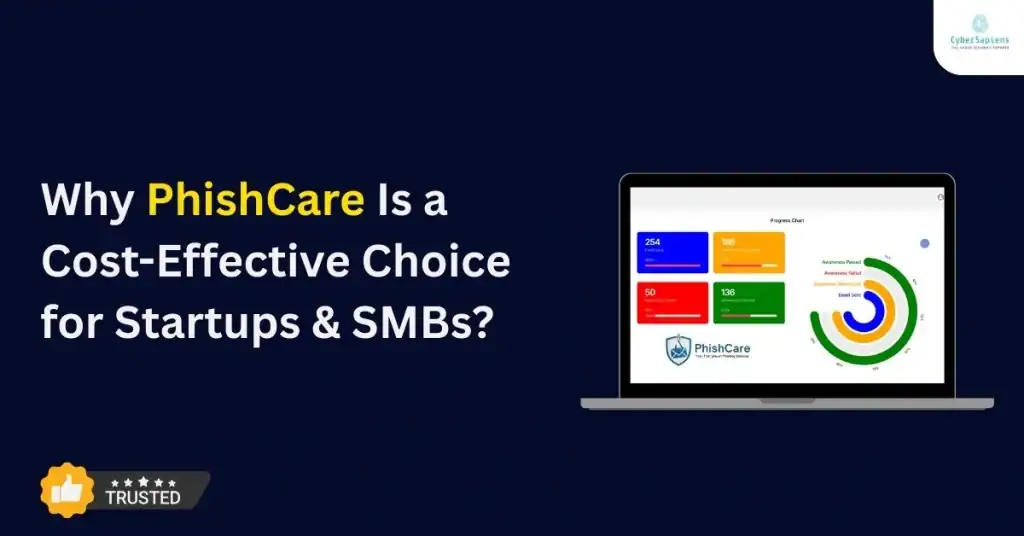
For startups and small-to-medium businesses operating with tight budgets and limited security teams, PhishCare delivers meaningful protection without unnecessary complexity or cost. Here’s why PhishCare stands out as an affordable yet powerful phishing simulation solution in 2026:
1. Built for Lean Teams With Limited Resources
PhishCare is easy to deploy and manage, requiring no dedicated security staff or complex configurations. Startups and SMBs can run a full phishing awareness program without diverting time from core business priorities.
2. Continuous Protection Without Enterprise-Level Costs
Rather than expensive, one-size-fits-all enterprise platforms, PhishCare delivers continuous phishing simulations at a price point suited for smaller organizations—ensuring ongoing protection without overspending.
3. Automation That Reduces Operational Overhead
Campaigns, training delivery, reminders, and reporting are automated end-to-end. This significantly reduces manual effort and hidden administrative costs that often make “low-cost” tools expensive in practice.
4. Behavior-Focused Training That Delivers Results
PhishCare prioritizes real behavior change over generic awareness content. Just-in-time, contextual training improves retention and reduces repeat mistakes, delivering better ROI than traditional training programs.
5. Clear, Actionable Insights for Business Leaders
Dashboards translate security metrics into simple, business-friendly insights such as risk trends and reporting behavior—allowing founders and leadership to understand security posture without deep technical knowledge.
6. Supports Long-Term Growth and Compliance Readiness
As startups and SMBs grow, PhishCare helps establish early readiness for frameworks like SOC 2 and ISO 27001. This avoids costly last-minute fixes and accelerates future audits.
7. Predictable, Scalable Pricing
Flexible pricing tiers ensure organizations pay only for what they need. As teams expand, security scales predictably, without sudden jumps in cost or complexity.
8. Higher ROI Through Measurable Risk Reduction
By reducing phishing clicks, improving reporting speed, and lowering incident likelihood, PhishCare delivers measurable risk reduction, often at a fraction of the cost of dealing with a single phishing-related incident.
PhishCare enables startups and SMBs to invest smartly in security, delivering continuous phishing defense that aligns with both budget realities and long-term growth goals.
PhishCare Pricing Overview
PhishCare offers startup- and SMB-friendly pricing plans designed to fit a range of team sizes and security needs. Each tier delivers continuous phishing simulations, automated training, and actionable insights, so growing businesses can strengthen human security without costly overhead.
| Quantity Range | Yearly | Bi-Annually | Quarterly | Monthly |
| 1-50 | $15.00 | $14.00 | $13.00 | $12.00 |
| 51-150 | $14.50 | $13.75 | $12.80 | $11.70 |
| 151-350 | $14.15 | $13.20 | $12.45 | $11.50 |
| 351-800 | $13.90 | $12.70 | $12.00 | $11.00 |
| 801-1500 | $13.30 | $12.00 | $11.65 | $10.60 |
| 1501-3000 | $13.00 | $11.75 | $11.30 | $10.20 |
| 3001-5000 | $12.60 | $11.40 | $11.00 | $9.80 |
| 5001-10000 | $12.30 | $11.00 | $10.60 | $9.50 |
Affordable Security That Scales With Growth
In 2026, phishing attacks continue to pose a serious threat to startups and SMBs—but strong protection doesn’t have to come with enterprise-level costs. Affordable phishing simulation platforms make it possible for growing organizations to reduce human cyber risk, improve employee awareness, and prevent costly incidents without slowing operations.
By choosing a solution like PhishCare, startups and SMBs can implement continuous, behavior-driven phishing defense that scales alongside their business. The result is better risk visibility, stronger security culture, and confidence that security investments are delivering real, measurable value. Affordable security isn’t about cutting corners; it’s about making smart, scalable choices that protect growth, trust, and long-term success.
FAQs: Affordable Phishing Simulation Platforms for Startups and SMBs in 2026
1. How much should startups budget for phishing simulations?
Answer: Budget depends on team size and needs, but affordable plans typically scale predictably with users. Many platforms offer tiered pricing to match growth phases.
2. Do phishing simulations slow down productivity?
Answer: No. Modern solutions like PhishCare focus on lightweight, automated campaigns and just-in-time training that minimize disruption to daily workflows.
3. How often should startups and SMBs run phishing simulations?
Answer: Continuous or at least monthly simulations are recommended to reinforce learning and adapt to evolving phishing tactics.
4. Can small teams without IT security staff run phishing simulations?
Answer: Absolutely. Many affordable platforms are designed for lean teams with minimal setup and automated management.
