
Communicating AWS Pentest Findings to Stakeholders: Prioritizing Fixes for Maximum Impact
Introduction: Why Reporting Matters in AWS Pentesting
Imagine you’ve completed a thorough AWS pentest, uncovered critical security gaps, and now it’s time to present the findings. But here’s the challenge—your technical report might not make sense to business leaders, compliance officers, or executives.
The problem?
Security teams focus on vulnerabilities and risk severity. Business stakeholders care about impact, compliance, and financial risks.
To drive real change, your findings must be translated into actionable business insights that resonate with both technical and non-technical audiences.
Structuring AWS Pentest Reports for Different Audiences
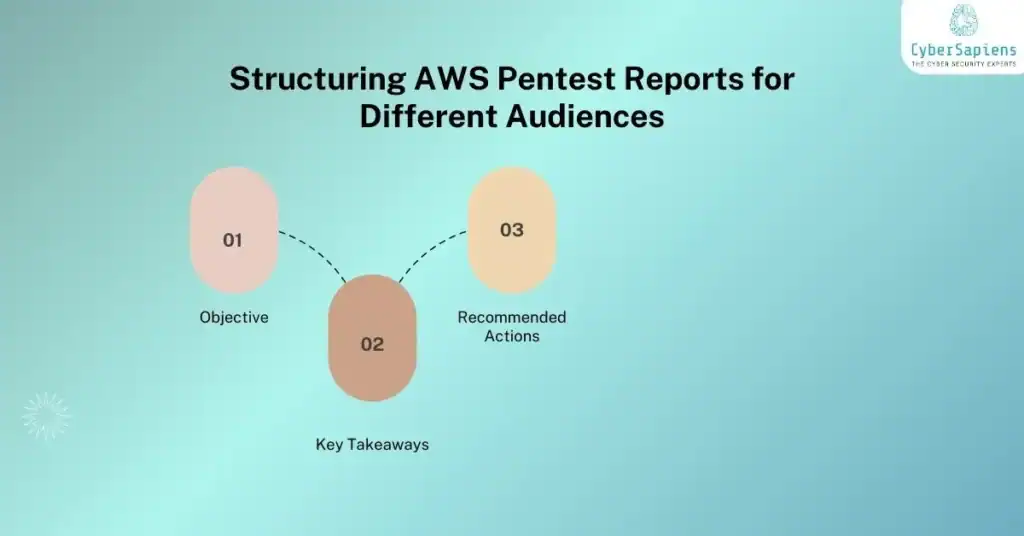
A well-structured pentest report should be clear, concise, and tailored to its audience.
1. Objective
A high-level overview of the security assessment.
2. Key Takeaways
Major risks, impact on business, and compliance concerns.
3. Recommended Actions
A summarised action plan for risk mitigation.
Example:
“Your AWS environment has three critical security gaps that could lead to unauthorized data access. Immediate fixes will help maintain GDPR compliance and prevent financial losses.”
Communicating Findings to Stakeholders
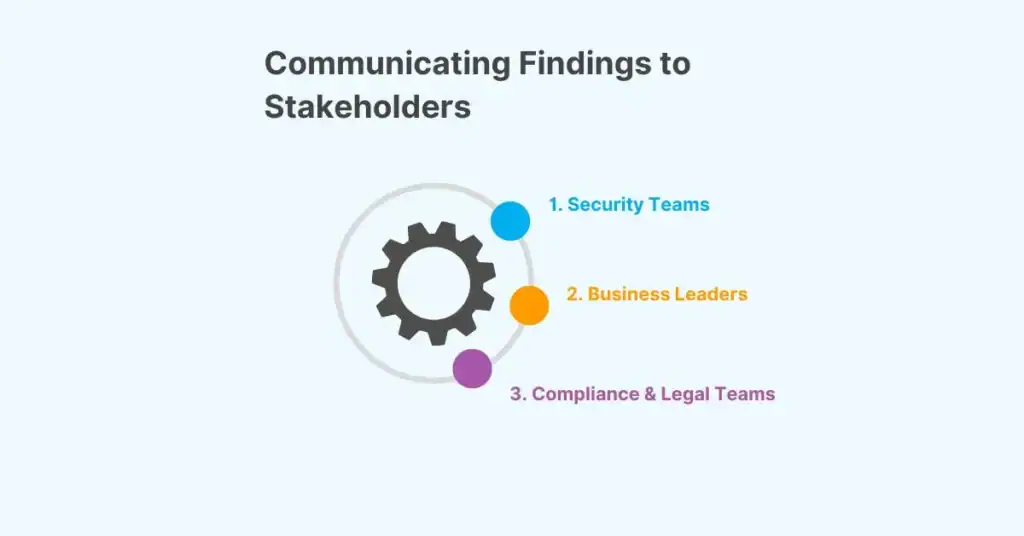
1. Security Teams
Technical Walkthroughs
- Conduct live debriefs with engineers to demonstrate PoC.
- Share remediation steps with exact configurations (e.g., how to adjust S3 permissions).
- Provide a remediation tracking system to monitor progress.
2. Business Leaders
- Impact-Driven Insights Focus on financial risk, compliance penalties, and operational disruptions.
- Provide a cost-benefit analysis for fixing vulnerabilities vs. potential losses.
- Use real-world breach examples to emphasise urgency.
Example:
“Fixing IAM misconfigurations now prevents potential financial losses of $500K from a ransomware attack.”
3. Compliance & Legal Teams
- Regulatory Alignment Map vulnerabilities to specific compliance requirements.
- Show how fixes align with SOC 2, ISO 27001, GDPR, or PCI-DSS controls.
- Prepare reports that auditors can use for compliance certification.
Example:
“Addressing these security issues ensures continuous ISO 27001 compliance and avoids regulatory fines.”
Actionable Steps: Turning Findings into Fixes
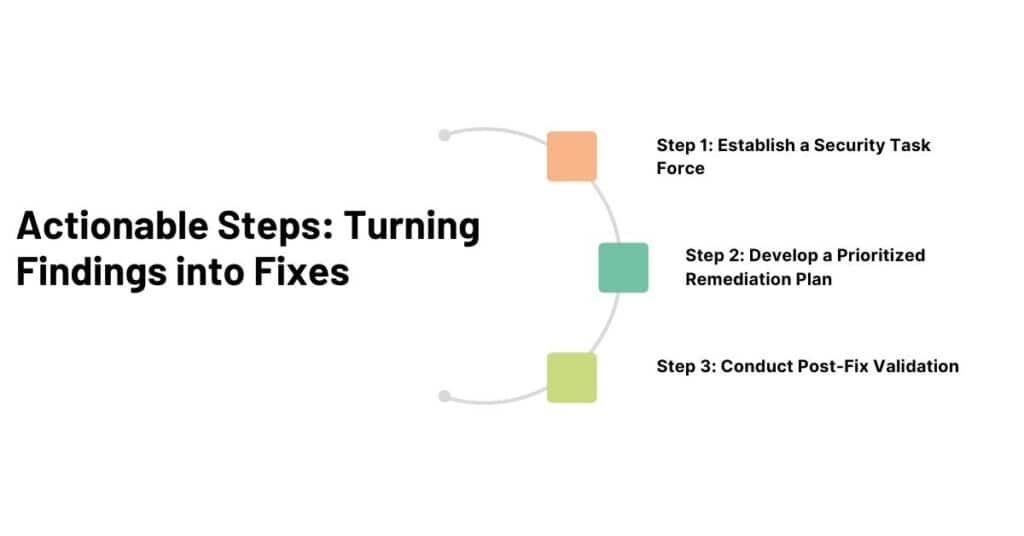
Step 1: Establish a Security Task Force
- Assign security champions from IT, compliance, and leadership.
- Ensure cross-functional collaboration between teams.
Step 2: Develop a Prioritized Remediation Plan
- Fix Critical Issues First – Public exposure, credential leaks, privilege escalations.
- Apply Least Privilege Access – Tighten IAM roles and security groups.
- Monitor with Automation – Use AWS GuardDuty, AWS Config, and CloudTrail.
Step 3: Conduct Post-Fix Validation
- Re-run pentests after fixes to ensure issues are resolved.
- Implement continuous monitoring for recurring vulnerabilities.
- Document security improvements for future audits.
Conclusion: Communicating AWS Pentest Findings to Stakeholders: Prioritizing Fixes for Maximum Impact
AWS pentesting isn’t just about finding vulnerabilities it’s about fixing them. And to do that effectively, security teams must communicate findings in a way that drives action.
