
Continuous Compliance: Maintaining SOC 2 Certification After the Audit in the UK
Achieving SOC 2 certification is a significant milestone for organizations that handle sensitive customer data, especially for SaaS, fintech, and cloud-based companies operating in the UK. It demonstrates that an organization has implemented strong security controls and follows best practices to protect customer information. However, passing a SOC 2 audit is only the beginning. Maintaining compliance requires continuous effort and ongoing monitoring of security practices.
SOC 2 audits, particularly SOC 2 Type II, evaluate how effectively an organization’s security controls operate over time. This means companies must consistently maintain policies, monitor systems, manage access controls, and document security activities even after the audit is completed. Without continuous compliance, organizations risk falling out of alignment with SOC 2 requirements before their next assessment.
For many organizations, the real challenge begins after certification. Security teams, engineering teams, and compliance teams must work together to ensure that controls remain active, risks are regularly assessed, and documentation is updated. Continuous compliance helps organizations stay prepared for future audits while strengthening their overall cybersecurity posture.
Understanding Continuous Compliance in SOC 2
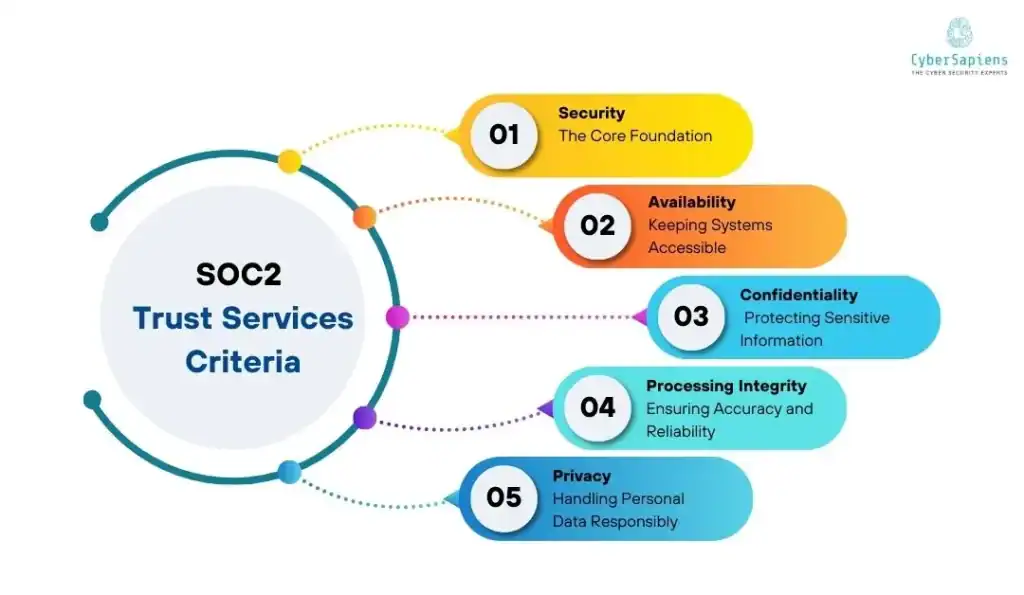
The concept of continuous compliance is a process where an organization continues to maintain its security controls and policies even after obtaining SOC 2 certification. While obtaining SOC 2 certification is a great achievement for an organization, it is important for an organization to understand that continuous compliance is essential for ensuring that all security controls are working effectively in an organization.
Continuous compliance helps organizations maintain alignment with the SOC 2 Trust Services Criteria, which include Security, Availability, Processing Integrity, Confidentiality, and Privacy. These criteria ensure that systems are protected against unauthorized access, remain available for operation, process data accurately, safeguard confidential information, and protect personal data.
Most organizations make a common mistake of thinking that obtaining SOC 2 certification is a one-time process and that an organization only needs to focus on preparing for an audit. However, obtaining SOC 2 certification, especially SOC 2 Type II, requires an organization to prove that its security controls are working effectively for a long period.
Achieving SOC 2 vs. Maintaining SOC 2
There is a big difference between achieving SOC 2 compliance and maintaining SOC 2 compliance. Achieving SOC 2 compliance involves implementing the controls, policies, and evidence required for passing the SOC 2 audit. Maintaining SOC 2 compliance involves constantly monitoring the systems, managing the risks, constantly reviewing the access controls, and constantly updating the policies. If an organization is not maintaining these requirements, it may face challenges when it is time for the next SOC 2 compliance audit.
Why Continuous Compliance Matters for UK Organizations?
For an organization in the UK, it is just as important to maintain the SOC 2 compliance status after the audit as it is to obtain the compliance status. Many organizations seek SOC 2 compliance in order to prove their high standards of security practices to customers, partners, or stakeholders. However, if an organization is not able to maintain the SOC 2 compliance status, then the significance of the SOC 2 compliance status can soon be lost.
Continuous compliance makes sure that the security controls are active, the risks are addressed, and the systems are operating securely.
- Maintaining Customer Trust: The SOC 2 compliance status for an organization is an assurance for customers that the organization is taking data security seriously.
- Meeting Enterprise and Client Expectations: In the case of enterprise clients, it is not uncommon for these clients to require that the organization or the service provider they have partnered with remains SOC 2 compliant. Organizations that are not compliant may find it difficult to retain or win new clients.
- Preparing for Future SOC 2 Audits: As SOC 2 audits are conducted on a regular basis, especially for SOC 2 Type II reports, it is imperative that an organization remains compliant at all times. This makes it easier for the organization when the next audit cycle is about to begin.
- Strengthening Cybersecurity Posture: The concept of continuous compliance makes an organization more vigilant about their security controls. This makes it easier for the organization to identify any vulnerabilities that could potentially threaten the organization.
- Supporting Global Business Opportunities: When it comes to technology companies operating in the UK and working with international clients, particularly in regions like North America, achieving SOC 2 compliance is often a basic security expectation. Continuous compliance is key to helping companies stay competitive in a global marketplace and to showing a commitment to security and reliability over the long term.
By incorporating compliance into everyday operations, companies can turn the process of achieving SOC 2 compliance into a sustainable security solution that supports long-term growth and trust.
How CyberSapiens Helps Organizations Maintain SOC 2 Compliance?
However, it has been noted that maintaining SOC 2 compliance after the completion of the audit can be a daunting task, especially since the organization has to constantly monitor their security controls, documentation, and audit evidence throughout the year. This has been cited to lead to fragmented processes for the security and engineering teams in the organization. This is where CyberSapiens can be of immense help to an organization, especially since it has created an automated platform to help in the process of continuous compliance.
1. Continuous Monitoring of Security Controls
CyberSapiens enables organizations to continuously monitor the effectiveness of their SOC 2 security controls. This helps teams identify compliance gaps early, maintain visibility into their security posture, and ensure that controls remain active and effective throughout the year.
2. Automated Evidence Collection
SOC 2 audits require organizations to prove that they are providing ongoing evidence of security controls operating effectively. CyberSapiens provides an automated evidence collection process by collecting data on an organization’s compliance with existing systems.
3. Centralized Compliance and Documentation Management
CyberSapiens offers a centralized solution for organizations to effectively manage their compliance controls and documentation. This allows organizations to better collaborate between different teams and effectively maintain their documentation.
4. Integration with Engineering and Cloud Tools
The platform integrates with popular cloud infrastructure and identity tools, as well as engineering tools. This allows organizations to gather data on their compliance directly from their systems without impacting existing processes.
CyberSapiens helps organizations maintain SOC 2 compliance by providing an efficient solution that incorporates automatic monitoring, documentation management, and real-time tracking. This allows organizations to go beyond a one-time solution and implement a sustainable model for continuous compliance, enabling a strong security posture and trust with customers.
Clients Served by CyberSapiens





Sustaining SOC 2 Compliance Beyond the Audit
While obtaining SOC 2 compliance is a major achievement for any organization, it is important to remember that maintaining compliance with SOC 2 requirements is an ongoing process that demands commitment and dedication. It is essential for businesses to regularly monitor security controls, review access management processes, update documentation, and regularly perform risk assessments to ensure that their systems are always secure and compliant with SOC 2 requirements.
For businesses in the UK, it is important to remember that maintaining compliance with SOC 2 requirements through a continuous compliance process ensures that businesses build customer trust, meet enterprise security requirements, and are always prepared for SOC 2 audits in the future.
With the support provided by CyberSapiens, businesses can easily achieve continuous compliance with SOC 2 requirements through monitoring and documentation processes, making it easier to be prepared for SOC 2 audits at all times.
FAQs
1. What is continuous compliance in SOC 2?
Answer: Continuous compliance refers to the ongoing process of maintaining SOC 2 security controls, policies, and monitoring practices after the audit. It ensures that systems remain secure and compliant throughout the year, not just during the audit period.
2. What happens if an organization stops maintaining SOC 2 controls?
Answer: If an organization fails to maintain SOC 2 controls, it may struggle to pass future audits and could lose customer trust or business opportunities that require SOC 2 compliance. Maintaining controls continuously helps avoid compliance gaps.
3. How can companies prepare for their next SOC 2 audit?
Answer: Organizations can prepare by conducting regular internal reviews, monitoring security controls, maintaining updated documentation, and addressing security risks proactively. Continuous monitoring helps ensure they remain audit-ready.
4. Can automation tools help maintain SOC 2 compliance?
Answer: Yes. Compliance automation platforms help organizations monitor controls, collect audit evidence, and manage documentation in a centralized system. This simplifies continuous compliance and reduces manual effort for security and engineering teams.
