

Critical Vulnerability in Logsign Unified SecOps Platform – CVE-2025-1044
A newly discovered security flaw in the Logsign Unified SecOps Platform has raised serious concerns in the cybersecurity community. Identified as CVE-2025-1044, this authentication bypass vulnerability has been assigned a CVSS score of 9.8, indicating critical severity. The flaw allows remote attackers to bypass authentication mechanisms entirely, granting unauthorized access to sensitive data and security operations.
Here in this article we are going to discuss about Critical Vulnerability in Logsign Unified SecOps Platform – CVE-2025-1044
Understanding the Logsign Vulnerability
Logsign is widely used in Security Information and Event Management (SIEM), Security Orchestration, Automation, and Response (SOAR), User and Entity Behavior Analytics (UEBA), and Threat Intelligence (TI). Despite its advanced capabilities, the platform’s web service, which runs on TCP port 443, was found to have a serious authentication flaw.
How the Vulnerability Works?
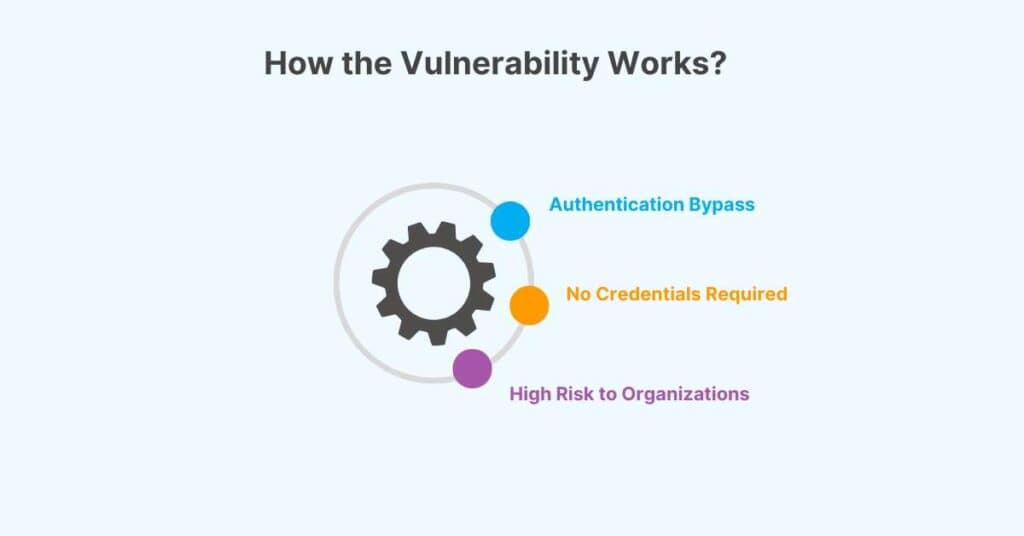
1. Authentication Bypass
The vulnerability exists due to improper implementation of authentication algorithms. Attackers can exploit this flaw by sending specially crafted HTTP requests to the system, tricking it into processing unauthorized access as legitimate.
2. No Credentials Required
Unlike typical cyberattacks that rely on stolen credentials, this attack does not require a username or password. Hackers can gain full control over the system without authentication.
3. High Risk to Organizations
This vulnerability allows cybercriminals to:
✅ Access sensitive security logs and configurations
✅ Modify system settings
✅ Escalate privileges to gain admin control
✅ Deploy malicious scripts for further exploitation
Potential Consequences
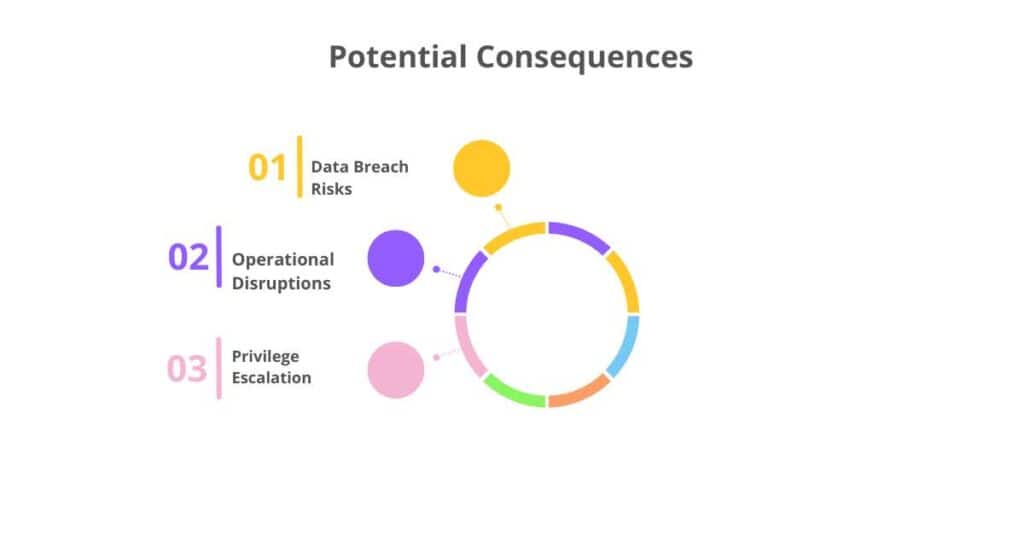
1. Data Breach Risks
Unauthorized access to sensitive logs and security configurations.
2. Operational Disruptions
Attackers could disable security monitoring, leaving systems vulnerable.
3. Privilege Escalation
Exploiting this flaw could allow remote code execution, leading to system-wide compromise.
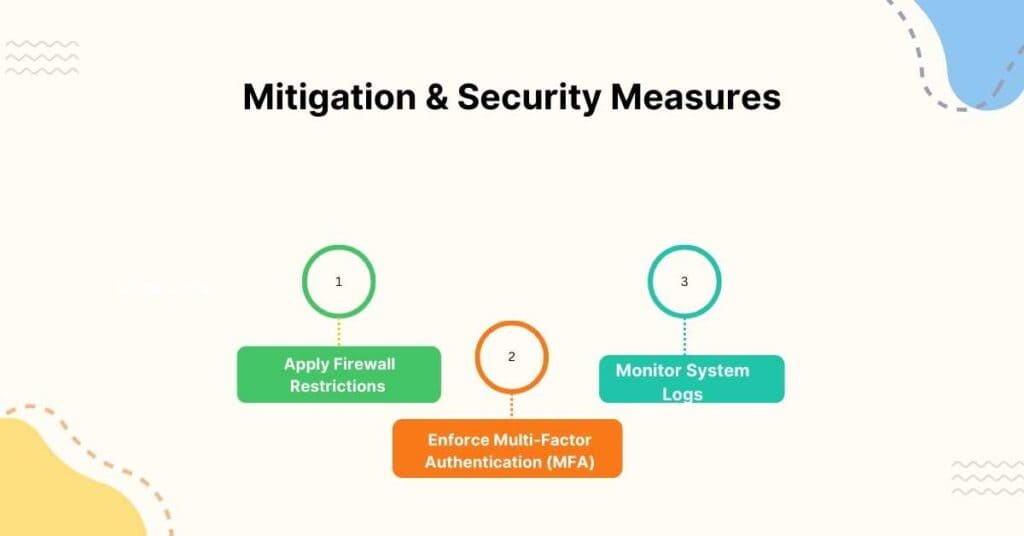
Mitigation & Security Measures
Logsign has acknowledged the vulnerability and released an urgent security patch (version 6.4.32). Users are strongly advised to update immediately to avoid exploitation.
1. Apply Firewall Restrictions
Limit access to TCP port 443 to prevent unauthorized entry.
2. Enforce Multi-Factor Authentication (MFA)
Strengthen login security across all systems.
3. Monitor System Logs
Detect unauthorized access attempts and unusual activity.
Conclusion
The CVE-2025-1044 vulnerability is a stark reminder of the importance of secure authentication mechanisms in cybersecurity platforms. If left unpatched, organizations using the Logsign Unified SecOps Platform risk severe data breaches and operational threats. CyberSapiens expert penetration testing and security assessments can help organizations identify and remediate vulnerabilities before attackers do.
🔐 Need help securing your cybersecurity infrastructure?
Contact CyberSapiens for a comprehensive security audit today!
