
How Continuous Monitoring Improves SOC 2 Compliance and Security?
With the increasing adoption of cloud computing technology, SaaS solutions, and with digital services, it has become imperative for organizations to have strong cybersecurity and compliance practices in place. For instance, organizations that work with sensitive customer data need to prove that they have secure systems that can provide reliable services to protect the data from unauthorized access. This is one of the primary reasons why many technology companies seek SOC 2 compliance, as it is a highly accepted compliance standard that was created by the American Institute of Certified Public Accountants to assess how organizations can protect customer data.
Therefore, becoming SOC 2 compliant is not simply about passing an audit. Companies need to prove that their security processes can be effective over a long period. Conventional compliance methods that require periodic reviews or checks can be very limiting in monitoring systems. For instance, organizations can struggle to remain SOC 2 compliant throughout the year.
This is the point where the importance of continuous monitoring comes into the picture. Continuous monitoring, in this regard, will allow organizations to monitor their security activities, system activities, and compliance in real time. This will, in turn, allow organizations to enhance their security posture, thus remaining audit-ready all the time.
Understanding SOC 2 Compliance
SOC 2 compliance is a well-known security standard used to assess the security of an organization with respect to the security of the customer data it holds. It is particularly important for SaaS companies, cloud providers, and tech companies that handle sensitive customer data. SOC 2 compliance ensures that the organization has employed the best internal controls and security measures to deliver business reliability.
The SOC 2 compliance model is based on the Trust Services Criteria set by the American Institute of Certified Public Accountants. The criteria set by the institute specify the requirements that an organization must adhere to for ensuring the security and reliability of its systems.
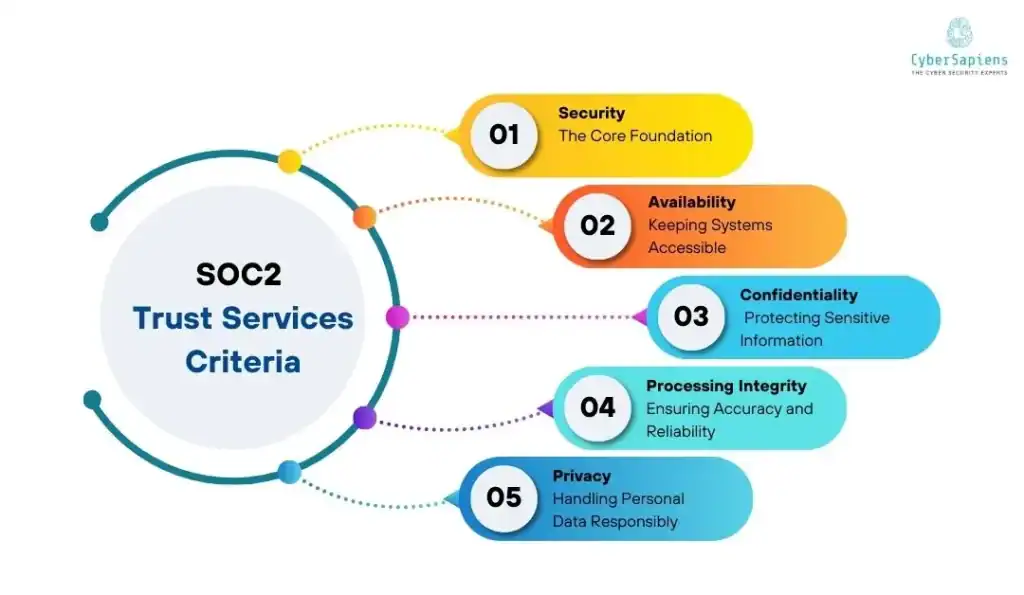
The five Trust Service Criteria are:
- Security: Ensures that the systems and data are safe from unauthorized access, cyber attacks, and security breaches.
- Availability: Confirms that the systems are operational and accessible, as committed to in the service contract.
- Processing Integrity: Ensures that the processing of the system is complete, accurate, and timely, and that the processing is authorized.
- Confidentiality: Guards sensitive business information from unauthorized disclosure.
- Privacy: Ensures that the personal information collected, processed, and disclosed is done so responsibly.
To achieve the SOC 2 compliance, organizations that are subject to the SOC 2 audit must prove that their policies, procedures, and security measures align with the five Trust Service Criteria. The effectiveness of the controls is examined by the auditor, who reviews the documentation, processes, and evidence that the controls are functioning correctly.
Key Ways Continuous Monitoring Improves SOC 2 Compliance and Security
Continuous monitoring is very important in assisting organizations in sustaining good security measures while at the same time meeting SOC 2 compliance requirements. Continuous monitoring does not require organizations to conduct security activities and reviews on a one-off basis, as in the case of continuous auditing. Rather, continuous monitoring helps organizations to track their security activities and compliance in real time.
1. Detects Security Threats in Real Time
One of the most important advantages of continuous monitoring is its ability to detect security threats in real time. Continuous monitoring helps organizations to detect security threats as they occur in real time by analyzing the activities that are happening in the systems and networks of the organization. Continuous monitoring can detect security threats as they occur in real time by detecting suspicious activities, such as unauthorized access to the systems and networks of the organization.
2. Helps Provide Continuous Evidence for SOC 2 Audits
To pass a SOC 2 audit, organizations are expected to provide evidence of the implementation and effectiveness of their security controls. Continuous monitoring solutions are able to automatically log all activities and events related to systems and security. This reduces the burden of ensuring that organizations are able to provide adequate evidence during audits.
3. Improves Access Control Management
One of the key areas of concern during a SOC 2 audit is access control management. Organizations are able to monitor access and login activities using continuous monitoring solutions. This ensures that access is restricted based on the principle of least privilege and that unauthorized access is detected and prevented.
4. Improves Incident Detection and Response
Continuous monitoring can aid in the early detection of security incidents and abnormalities in an organization. This can be done by using real-time alerts to investigate and respond to security incidents and abnormalities. This improves the detection and response to security incidents, hence supporting incident management best practices.
5. Supports Vendor and Third-Party Risk Monitoring
Many organizations use third-party vendors to provide cloud infrastructure and payment services, among other services. Continuous monitoring can aid in the detection and management of risks that are vendor-related to prevent security vulnerabilities that may be introduced in the organization as a result of integrating third-party vendors.
6. Maintains Year-Round Compliance Readiness
Being SOC 2 compliant is not a once-off process, but organizations also have to maintain their compliance readiness throughout the year. This is possible through continuous monitoring, which ensures that the compliance process is always active and ready at any time during the year. This also improves the cybersecurity posture of the organization.
How CyberSapiens Helps with Continuous Compliance?
CyberSapiens is dedicated to making SOC 2 compliance simpler for businesses and ensuring they are continuously monitoring their security posture. This is done through a combination of automation and compliance expertise. This allows businesses to become more compliant and audit-ready, all while improving their overall security posture.
The key ways in which CyberSapiens is able to help businesses become continuously compliant are as follows:
- SOC 2 Readiness Assessment: CyberSapiens is able to identify security gaps and compliance risks before the audit process even begins.
- Continuous Security Monitoring: CyberSapiens is able to track system activities and security events, and any vulnerabilities that could potentially lead to noncompliance.
- Automated Evidence Collection: CyberSapiens is able to simplify SOC 2 audit preparation and compliance for businesses. This is done through the use of automation and ensuring that auditors receive all of the necessary compliance evidence.
- Centralized Compliance Documentation: CyberSapiens is able to keep policies, procedures, and compliance records all in one location.
- Risk Management and Gap Analysis: Aids organizations in identifying risks that may occur and provides the means to take corrective actions to enhance their security posture.
- Policy and Governance Management: Aids organizations in the development and maintenance of security policies that are compliant with SOC 2 Trust Service Criteria.
- Access Control and Security Reviews: Monitors organizations’ access, privilege, and authentication practices to ensure strong access management.
- Continuous Compliance Tracking: Aids organizations in remaining compliant throughout the year, not just during the audit period.
CyberSapiens, with its expertise in automation, monitoring, and compliance, assists organizations in remaining compliant, minimizing the time spent preparing for audits, and meeting SOC 2 security requirements with confidence.
Clients Served by CyberSapiens




Strengthening Security with Continuous Monitoring
Continuous monitoring is one of the key aspects of ensuring SOC 2 compliance and developing a robust cybersecurity framework for any organization. Unlike traditional methods of reviewing and monitoring, where checks are carried out manually, continuous monitoring allows an organization to monitor its system activities, identify potential risks, and ensure its security controls are functioning properly throughout the year.
By adopting and implementing continuous monitoring practices, any organization can effectively identify potential threats, keep its compliance documentation accurate and up-to-date, and remain audit-ready at all times. This is not only helpful for ensuring SOC 2 compliance but also strengthens an organization’s overall security framework and protects its customer information.
CyberSapiens solutions can help any organization simplify the process and make it more convenient and effective. Organizations can keep themselves continuously compliant, reduce audit preparation times, and increase customer trust and confidence.
FAQs: How Continuous Monitoring Improves SOC 2 Compliance and Security?
1. What types of activities are monitored in continuous compliance programs?
Answer: Continuous monitoring typically includes tracking system logs, user access activity, network traffic, security alerts, configuration changes, and other critical system events that may affect security or compliance.
2. How does continuous monitoring improve cybersecurity?
Answer: Continuous monitoring allows organizations to detect suspicious activities and vulnerabilities in real time. This enables faster incident response, reduces the risk of data breaches, and helps maintain stronger overall cybersecurity practices.
3. Do SaaS companies need continuous monitoring for SOC 2 compliance?
Answer: Yes. SaaS companies that handle customer data must demonstrate that their security controls are consistently functioning. Continuous monitoring helps ensure these controls remain effective and provides ongoing compliance visibility.
4. How can organizations implement continuous monitoring for SOC 2?
Answer: Organizations can implement continuous monitoring by using centralized logging systems, automated security monitoring tools, regular risk assessments, and structured compliance frameworks.
