
SOC 2 Audit Preparation Checklist for Protecting Healthcare Data in Canada
The healthcare industry in Canada is embracing technology at a fast pace, including the use of electronic health records, telehealth solutions, and cloud-based healthcare solutions. Although technology has improved the efficiency of the healthcare industry, it has also raised the bar for the protection of highly sensitive healthcare information. Healthcare data is one of the most attacked types of data by hackers, and therefore, security controls and compliance are vital for healthcare organizations and healthcare technology service providers.
SOC 2 audit is a widely accepted standard that assesses the effectiveness of an organization in protecting sensitive data and ensuring secure systems. For healthcare organizations in Canada, SOC 2 audit preparation is essential to ensure that healthcare information is protected in the right manner and to satisfy the demands of partners and clients. A SOC 2 audit preparation checklist helps healthcare organizations in Canada to ensure a smooth SOC 2 audit process.
What is a SOC 2 Audit?
A SOC 2 audit is an independent assessment conducted by a licensed CPA firm to evaluate how well an organization protects sensitive data and maintains secure systems. It verifies whether proper security controls, policies, and procedures are in place to safeguard customer and patient information, making it especially important for healthcare organizations handling confidential health data.
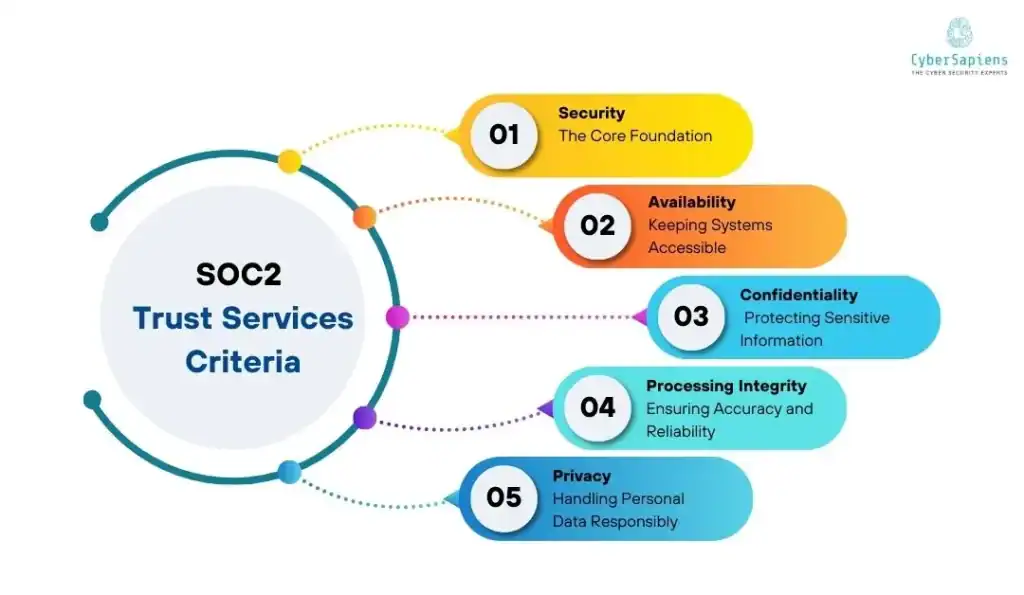
SOC 2 audits are based on the five Trust Services Criteria:
- Security: Ensuring systems and healthcare data are protected from unauthorized access and cyber threats.
- Availability: Ensuring healthcare systems and platforms remain operational and accessible when needed.
- Processing Integrity: Ensuring healthcare data is processed accurately and reliably.
- Confidentiality: Protecting sensitive patient records and confidential healthcare information.
- Privacy: Ensuring personal health information is collected, used, and protected appropriately.
There are two types of SOC 2 audits:
- SOC 2 Type I evaluates the design of security controls at a specific point in time.
- SOC 2 Type II evaluates the effectiveness of those controls over a defined monitoring period.
For healthcare organizations in Canada, a SOC 2 audit demonstrates a strong commitment to protecting patient data, maintaining secure systems, and meeting the security expectations of healthcare providers, partners, and stakeholders.
Why SOC 2 Audit Preparation is Critical for Healthcare Organizations in Canada?
Healthcare organizations in Canada deal with extremely confidential patient health information, making it imperative to have robust security and be audit-ready. Adequate SOC 2 audit preparation will ensure that the healthcare information is secure, the security measures are effective, and the organization is completely ready for a successful audit.
- Protecting Confidential Patient Health Information: Healthcare systems store confidential information like medical records, test results, and personal health information. SOC 2 audit preparation will ensure that the security measures are in place to safeguard this information from any kind of breach or unauthorized access.
- Compliance with Client and Partner Security Needs: Hospitals, clinics, insurance companies, and healthcare partners require SOC 2 reports before partnering with healthcare cloud service providers and healthcare technology companies.
- Supporting Privacy and Regulatory Requirements in Canada: Healthcare entities have to comply with rigorous privacy and data protection requirements. SOC 2 audit readiness is an effective means of enhancing internal controls, data governance, and the secure and responsible handling of healthcare data.
- Preventing Audit Failure and Delays: SOC 2 audits may fail or be delayed if they are not properly prepared for. A well-organized preparation checklist helps ensure that all requirements are addressed and that the audit process goes smoothly.
- Establishing Trust with Healthcare Providers and Patients: SOC 2 audit readiness is an effective means of establishing the responsible handling of patient data and secure systems. This helps establish trust with healthcare providers, patients, and other stakeholders.
SOC 2 Audit Preparation Checklist for Protecting Healthcare Data in Canada
To be ready for a SOC 2 audit, healthcare organizations need to have effective security controls in place, proper policies, and ensure that healthcare data is secured at all levels. The checklist will help healthcare organizations, healthcare SaaS vendors, and cloud service providers in Canada to be well-prepared for a SOC 2 audit.
1. Identify the SOC 2 Audit Scope: Begin by identifying the systems, applications, cloud infrastructure, and healthcare data that will be included in the SOC 2 audit. It is important to identify the scope of the SOC 2 audit to ensure that all relevant environments that handle patient data are secured.
2. Establish Access Control and Identity Management: Restrict access to sensitive healthcare information to authorized personnel only. This includes establishing role-based access control (RBAC), multi-factor authentication (MFA), secure login processes, and periodic reviews of user access to avoid unauthorized access.
3. Encrypt Patient Data at Rest and in Transit: Healthcare data should be encrypted with robust encryption techniques. It is important to ensure that the encryption feature is enabled for both stored and in-transit data between systems. This will ensure that the sensitive patient data is not compromised due to breaches and interceptions.
4. Enable System Monitoring and Activity Logging: It is essential to implement logging and monitoring tools that can track user activities, system access, and changes to healthcare data. This will ensure that any suspicious activity is detected early, and there is a quick response to any potential security incidents.
5. Perform Regular Risk Assessments: There could be potential security risks and vulnerabilities that may affect healthcare data. Regular risk assessments should be performed, and measures should be taken to mitigate security risks.
6. Develop an Incident Response Plan: Create an incident response plan to identify and respond to security incidents. This helps ensure that healthcare organizations are prepared to respond to security incidents when they happen.
7. Manage Vendor and Third-Party Risks: Healthcare cloud solutions involve third-party vendors, such as cloud service providers. It is essential to assess vendors’ security processes, update vendor risk assessments, and ensure third-party vendors comply with SOC 2 security standards.
8. Develop Secure Data Backup and Disaster Recovery: Develop a data backup plan and disaster recovery plan to safeguard healthcare data against loss, system downtime, or security incidents. Regularly test data backup and disaster recovery processes to ensure system availability.
9. Establish and Maintain Security Policies and Documentation: Establish and maintain necessary policies like information security policy, access control policy, data protection policy, and incident response plans. Documentation is essential for SOC 2 audit readiness.
10. Provide Employee Security Awareness Training: Train employees on healthcare data security, privacy laws, and cybersecurity best practices. Human error is a major reason for breaches, and training will minimize security risks.
11. Gather and Organize Audit Evidence: Make sure that all necessary audit evidence, such as logs, policies, access reviews, risk assessments, and incident reports, is well-documented and organized. Being audit-ready with evidence will make the SOC 2 audit process easier.
12. Conduct a SOC 2 Readiness Assessment: Perform a readiness assessment to identify gaps and weaknesses in compliance before the SOC 2 audit. Closing gaps in advance will ensure success in the SOC 2 audit and that your healthcare organization is SOC 2 compliant.
By using this SOC 2 audit preparation checklist, Canadian healthcare organizations can ensure the security of their sensitive patient information and achieve success in the SOC 2 audit.
How CyberSapiens Helps Healthcare Organizations in Canada Prepare for SOC 2 Audits?
CyberSapiens provides end-to-end SOC 2 audit preparation support tailored specifically for healthcare organizations, healthcare SaaS providers, and healthcare cloud platforms in Canada. With deep expertise in healthcare data security and cloud compliance, CyberSapiens helps organizations protect sensitive patient information and achieve SOC 2 audit readiness efficiently.
1. SOC 2 Readiness Assessment and Gap Analysis
CyberSapiens performs a comprehensive readiness assessment to evaluate your current security controls, infrastructure, policies, and processes. This helps identify compliance gaps and provides a clear roadmap to prepare your healthcare organization for SOC 2 audit success.
2. Customized Compliance Roadmap
Based on the readiness assessment, CyberSapiens develops a tailored compliance roadmap aligned with your healthcare systems, cloud infrastructure, and data handling practices. This structured approach ensures efficient implementation of SOC 2 requirements.
3. Policy Development and Documentation Support
CyberSapiens helps create and implement essential security policies and procedures required for SOC 2 compliance, including access control, data protection, incident response, risk management, and vendor management policies. Proper documentation is critical for audit readiness.
4. Implementation of Required Security Controls
CyberSapiens provides expert guidance on implementing technical and administrative controls such as multi-factor authentication, encryption, system monitoring, access management, and incident response processes. These controls ensure healthcare data is properly protected.
5. Automated Evidence Collection and Compliance Platform
CyberSapiens offers an automated compliance platform that simplifies evidence collection, control monitoring, and compliance tracking. This reduces manual effort and ensures all audit evidence is organized and readily available for auditors.
6. Audit Preparation and Auditor Coordination
CyberSapiens prepares healthcare organizations for the SOC 2 audit by reviewing controls, organizing audit evidence, and coordinating with certified auditors. This ensures a smooth audit process and improves the chances of successful certification.
7. Continuous Compliance Monitoring and Support
SOC 2 compliance is an ongoing process. CyberSapiens provides continuous monitoring, compliance tracking, and ongoing support to help healthcare organizations maintain compliance and remain audit-ready.
8. Flexible and Scalable Compliance Approach
CyberSapiens offers scalable SOC 2 compliance solutions based on your organization’s size, infrastructure complexity, and readiness level. This ensures an efficient and cost-effective audit preparation process while allowing healthcare organizations to focus on delivering secure and reliable healthcare services.
Clients Served by CyberSapiens




Strengthening Healthcare Data Protection in Canada with SOC 2 Audit Preparation
Protecting sensitive patient health information is a top priority for healthcare organizations and healthcare technology providers in Canada. SOC 2 audit preparation plays a critical role in ensuring that proper security controls, policies, and monitoring systems are in place to safeguard healthcare data. By following a structured SOC 2 audit preparation checklist, healthcare organizations can identify security gaps, strengthen their compliance posture, and ensure they are fully prepared for a successful audit.
Achieving SOC 2 compliance not only improves healthcare data security but also builds trust with healthcare providers, partners, and stakeholders. With expert support from CyberSapiens, healthcare organizations can simplify the audit preparation process, implement required controls efficiently, and ensure audit readiness. This enables healthcare organizations in Canada to protect patient data, meet industry expectations, and confidently support the growing demand for secure and compliant healthcare services.
FAQs: SOC 2 Audit Preparation Checklist for Protecting Healthcare Data in Canada
1. Why do healthcare organizations in Canada need SOC 2 audit preparation?
Answer: Healthcare organizations handle sensitive patient health information that must be protected from breaches and unauthorized access. Proper SOC 2 audit preparation ensures strong security controls, supports compliance expectations, and helps organizations successfully pass the audit.
2. What types of healthcare organizations need SOC 2 compliance?
Answer: SOC 2 compliance is important for healthcare SaaS providers, telehealth platforms, electronic health record (EHR) providers, healthcare cloud platforms, medical billing companies, and any organization that stores or processes patient health data.
3. What security controls are required for SOC 2 healthcare compliance?
Answer: Key controls include access management, multi-factor authentication, encryption, system monitoring, incident response planning, vendor risk management, data backup, and documented security policies to protect healthcare data.
4. How long does SOC 2 audit preparation take for healthcare organizations?
Answer: The timeline depends on the organization’s size, cloud infrastructure, existing security controls, and readiness level. Organizations with mature security practices can prepare faster, while others may require more time to implement required controls.
