

Top 7 Best Web Application Penetration Testing Course Providers in India
Web applications are the backbone of countless businesses and organizations. As reliance on web applications grows, so does the threat of cyberattacks targeting vulnerabilities within these systems. Web application penetration testing, or ethical hacking, has emerged as a critical skill for identifying and mitigating these vulnerabilities.
In India, a burgeoning IT hub, the demand for skilled penetration testers is soaring. This article explores the top 7 web application penetration testing course providers in India, offering a comprehensive overview to help aspiring cybersecurity professionals make informed decisions.
List of Top 7 Best Web Application Penetration Testing Course Providers in India
1. CyberSapiens: Best Web Application Penetration Testing Course Provider in India
At CyberSapiens, we don’t just secure web applications; we train you to do it.
As one of the best Web Application Penetration Testing Course providers in India, our goal is to equip learners with the technical expertise and real-world experience needed to identify, exploit, and secure vulnerabilities in web applications.
Our Cyber Fusion Program offers an industry-ready Web Application Penetration Testing Course with Internship, designed for aspiring cybersecurity professionals who want hands-on skills that employers value.
What You Will Learn in the Web Application Penetration Testing Course
- Preparation & Understanding Web Architecture
Learn how to analyze a web application’s structure, functionalities, and attack surface before testing. - Vulnerability Assessment
Master the use of both automated scanners and manual techniques to identify security flaws. - Threat Modeling
Understand how attackers think by identifying potential attack vectors and prioritising high-risk areas. - Penetration Testing
Perform simulated real-world attacks to exploit vulnerabilities safely and ethically. - Exploitation & Post-Exploitation
Gain practical skills in exploiting web vulnerabilities like SQLi, XSS, CSRF, and more — and understand their impact. - Analysis & Reporting
Learn how to document findings professionally with impact assessments and risk ratings. - Remediation & Secure Coding Practices
Get hands-on guidance on fixing identified issues and implementing secure coding principles. - Reassessment & Continuous Security Testing
Understand how continuous security testing strengthens the long-term resilience of web applications.
Why Choose CyberSapiens for Web Application Penetration Testing Course
- Industry-Relevant Curriculum: Designed by certified ethical hackers and security experts.
- Hands-on Client Project: You can work with real client web application projects.
- Internship Opportunity: Apply your skills in live security projects under expert supervision.
- Certification: Earn an industry-recognised certificate from CyberSapiens.
- Career Guidance: Get assistance to build your career as a Web Application Penetration Tester or Security Analyst.
Who Can Enrol?
- Students pursuing or graduated from cybersecurity / IT-related fields.
- Working Professionals aiming to upskill in web security.
- Ethical hackers and penetration testers looking to specialise.
2. Offensive Security
Offensive Security’s PWK/OSCP course is renowned for its challenging and hands-on approach to penetration testing. The course focuses on practical skills and requires students to compromise real-world systems in a virtual lab environment.
3. SANS Institute
The SANS Institute is a leading provider of cybersecurity training and certifications. SEC542 is a comprehensive web application penetration testing course that covers a wide range of vulnerabilities and testing methodologies.
4. AppSec Labs
AppSec Labs offers training based on the renowned “Web Application Hacker’s Handbook.” This course provides a deep dive into web application vulnerabilities and penetration testing techniques.

5. Lucideus
Lucideus is a cybersecurity firm that offers a range of training programs, including web application penetration testing. Their courses are designed to provide practical skills and knowledge for aspiring security professionals.
6. CyberSecurity Education and Research Centre (CERC)
CERC offers a comprehensive web application penetration testing course that covers a wide range of topics, including vulnerability assessment, exploitation, and reporting.
7. Indian Cyber Security Solutions (ICSS)
ICSS offers a CWAPT certification program designed to equip students with the skills and knowledge needed to identify and mitigate web application vulnerabilities.
Factors to Consider When Choosing a Course Provider
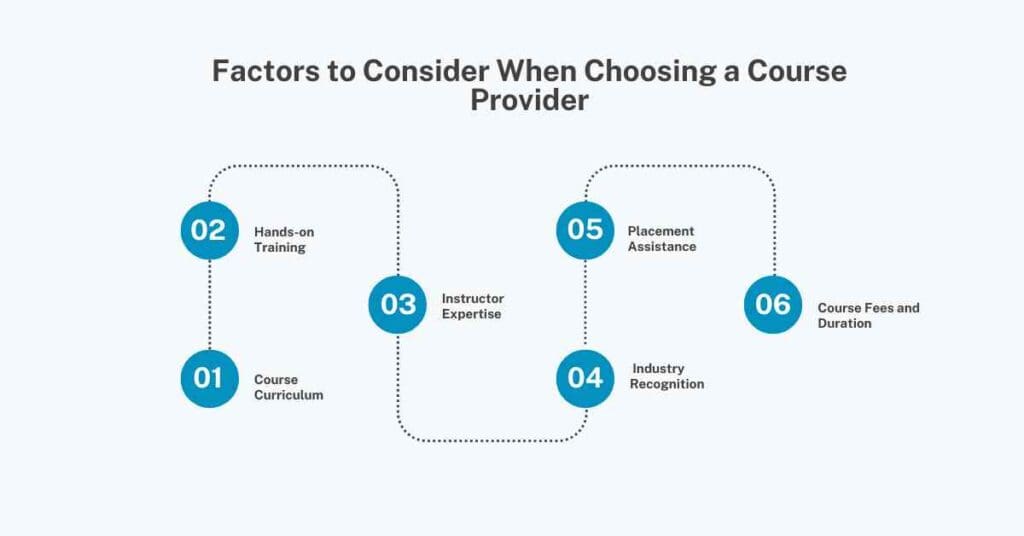
Selecting the right web application penetration testing course provider is crucial for acquiring the necessary skills and knowledge. Consider the following factors:
1. Course Curriculum
Ensure the curriculum covers essential topics such as web application architecture, common vulnerabilities, penetration testing methodologies, and reporting.
2. Hands-on Training
Look for courses that emphasize hands-on labs, real-world scenarios, and practical exercises.
3. Instructor Expertise
Choose providers with experienced instructors who are certified penetration testers and industry experts.
4. Industry Recognition
Opt for courses that align with industry certifications such as Certified Ethical Hacker (CEH), Offensive Security Certified Professional (OSCP), or Certified Web Application Security Professional (CWASP).
5. Placement Assistance
Inquire about placement assistance, career guidance, and networking opportunities.
6. Course Fees and Duration
Compare course fees and duration to find a program that fits your budget and schedule.
Conclusion
Web application penetration testing is a critical skill in today’s cybersecurity landscape. By choosing the right course provider, aspiring cybersecurity professionals can gain the necessary knowledge and skills to protect web applications from cyberattacks.
The top 7 web application penetration testing course providers in India offer a range of options to suit different learning styles, budgets, and career goals. Carefully consider your individual needs and preferences when selecting a course provider to ensure a successful and rewarding learning experience.
Summary: Top 7 Best Web Application Penetration Testing Course Providers in India
- CyberSapiens
- Offensive Security
- SANS Institut
- AppSec Labs
- Lucideus
- CyberSecurity Education and Research Centre (CERC):
- Indian Cyber Security Solutions (ICSS)
FAQs
1. What exactly is web application penetration testing, and why is it important?
Web application penetration testing (often called “pen testing” or “ethical hacking”) is a simulated cyberattack against a web application to identify security vulnerabilities. It’s crucial because it proactively uncovers weaknesses that real attackers could exploit, preventing data breaches and financial losses.
2. How does web application penetration testing differ from a regular vulnerability scan?
A vulnerability scan is automated and identifies known vulnerabilities. Pen testing goes further. It involves manual testing, creative thinking, and exploiting vulnerabilities to assess their real-world impact. Think of a scan as a doctor checking your symptoms, while pen testing is the doctor running tests to diagnose the root cause of the illness.
3. What are the most common types of vulnerabilities found during web application penetration testing?
Common vulnerabilities include SQL injection (manipulating database queries), cross-site scripting (XSS – injecting malicious scripts into a website), broken authentication (weak login systems), insecure direct object references (unauthorized access to data), and cross-site request forgery (CSRF – tricking users into performing unwanted actions).
4. What skills and qualifications are needed to become a web application penetration tester?
Key skills include a strong understanding of web application architecture, networking, security principles, and programming (especially web languages like HTML, JavaScript, and PHP). Relevant certifications like CEH, OSCP, or GWAPT are also highly valued.
5. How often should a web application undergo penetration testing?
Ideally, web applications should be tested at least annually, or whenever significant changes are made to the code or infrastructure. High-risk applications should be tested more frequently.
