

Types of APIs: REST, SOAP, GraphQL
APIs serve as the foundation of today’s digital world, making it possible for applications to communicate effortlessly. However, not all APIs are built the same. Whether it is REST, SOAP, GraphQL, or others, offers specific features, serves different purposes, and comes with its own set of security concerns. In this blog, we will take a closer look at these common API types, uncover their unique vulnerabilities and highlight why safeguarding them is crucial.
REST APIs (Representational State Transfer)

REST APIs are among the most widely used due to their simplicity and scalability.
1. Key Features
Stateless communication, support for JSON and XML, and a resource-based design.
2. Use Cases
Web services, mobile applications, and cloud integrations.
3. Security Challenges
Open endpoints, improper input validation, and lack of rate limiting can expose REST APIs to threats like BOLA (Broken Object Level Authorization), Broken Function level Authorization, Rate limiting bugs etc
Why Secure REST APIs?
Since REST APIs often handle sensitive data, vulnerabilities can lead to severe breaches. Regular API VAPT is crucial to identify misconfigurations and patch them promptly.
SOAP APIs (Simple Object Access Protocol)
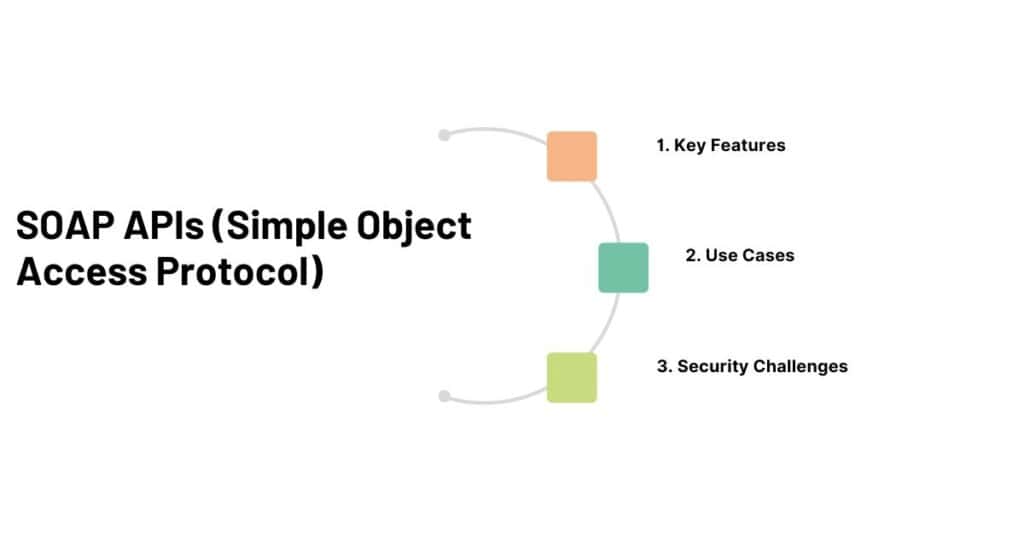
SOAP APIs follow a strict protocol and are commonly used in enterprise environments.
1. Key Features
High security with built-in WS-Security, support for complex operations, and strict specifications.
2. Use Cases
Banking, e-commerce, and healthcare integrations.
3. Security Challenges
XML injection, lack of proper authentication, and replay attacks.
Why Secure SOAP APIs?
The structured nature of SOAP APIs makes them attractive for critical applications. A comprehensive VAPT ensures vulnerabilities like XML attacks are mitigated.
Other API Types
1. WebSocket APIs
Ideal for real-time applications like chat and gaming.
Security Concern: Man-in-the-middle attacks and unencrypted data.
2. RPC APIs (Remote Procedure Call)
Used for remote execution of functions.
Security Concern: Improper authentication and command injection.
3. Composite APIs
Combine multiple APIs into a single endpoint for efficiency.
Security Concern: Cascading failures and data aggregation risks.
Conclusion
Understanding the types of APIs and their unique security challenges is the first step in protecting your digital ecosystem. Whether it’s REST, SOAP, GraphQL, or other APIs, each type requires tailored security measures. By partnering with API security experts, you can ensure that your APIs remain a robust foundation for your business operations.
Secure your APIs today!
Contact us for API VAPT assessment and take the first step towards a secure digital future.
