

Understanding Next Generation Firewalls (NGFWs): The Backbone of Modern Network Security
As cyber threats become more sophisticated, traditional firewalls are no longer enough to protect businesses and individuals. Enter Next-Generation Firewalls (NGFWs)—advanced security devices designed to address modern-day cyber challenges while providing greater control and visibility over network activity. Here in this article we are going to discuss about the Understanding Next Generation Firewalls (NGFWs): The Backbone of Modern Network Security
What is a Next Generation Firewall (NGFW)?
A Next-Generation Firewall is a security solution that combines traditional firewall functions (like packet filtering and network address translation) with modern technologies such as application control, intrusion prevention, and advanced threat detection. NGFWs not only allow or block traffic but also analyze it deeply, ensuring that malicious activity is identified and stopped in real-time.
Key Features of NGFWs
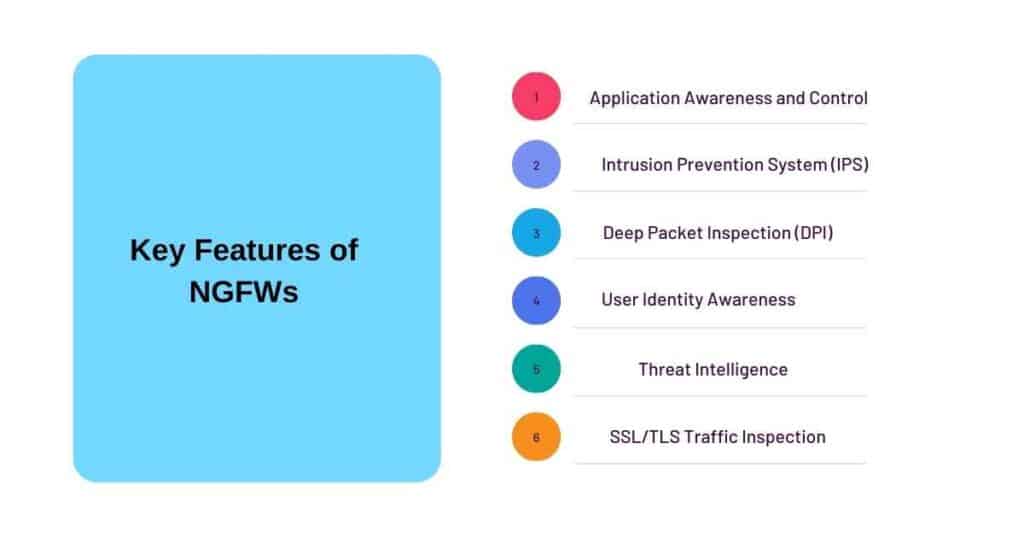
Here are the standout features that make NGFWs indispensable:
1. Application Awareness and Control
NGFWs can recognize and control specific applications (e.g., Facebook, Zoom, or YouTube) regardless of port or encryption. This feature allows businesses to block or prioritize apps based on their needs.
2. Intrusion Prevention System (IPS)
With an integrated IPS, NGFWs can detect and stop suspicious activities like malware downloads or network intrusions before they can cause damage.
3. Deep Packet Inspection (DPI)
Unlike traditional firewalls that only check packet headers, NGFWs examine the content of data packets. DPI helps detect hidden threats, even in encrypted traffic.
4. User Identity Awareness
NGFWs can enforce policies based on user identities rather than just IP addresses. For example, specific employees can be given access to sensitive files, while others are restricted.
5. Threat Intelligence
NGFWs constantly update themselves with the latest threat intelligence from global sources, enabling them to counter new and emerging threats effectively.
6. SSL/TLS Traffic Inspection
Modern cyberattacks often hide in encrypted traffic. NGFWs decrypt and inspect this traffic to ensure that threats don’t go unnoticed.
Why Do You Need an NGFW?
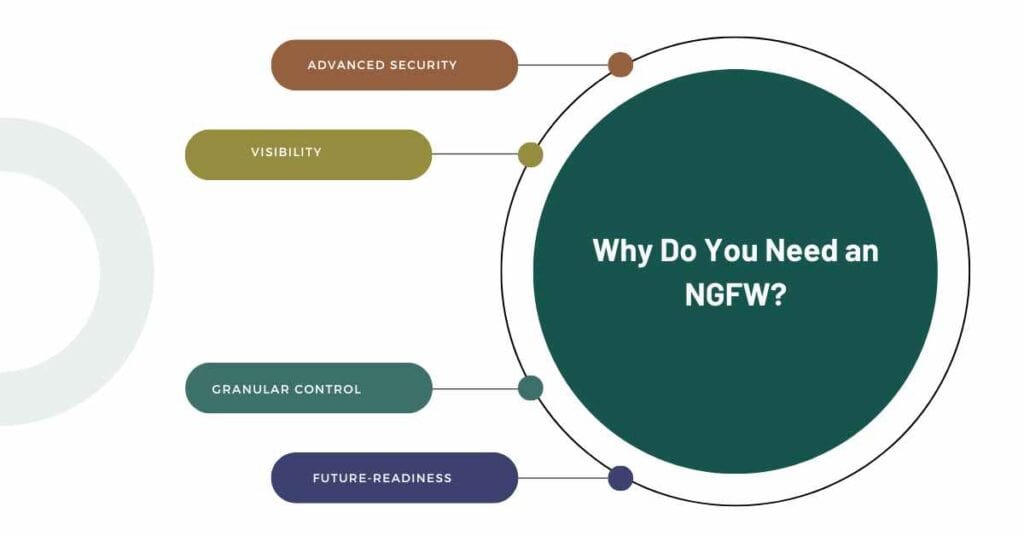
With the rise of remote work, cloud adoption, and IoT devices, the attack surface of networks has expanded dramatically. Traditional firewalls are unable to handle these complexities. NGFWs offer:
1. Advanced Security
Protects against sophisticated threats like ransomware and zero-day attacks.
2. Visibility
Provides insights into network activity, helping IT teams make informed decisions.
3. Granular Control
Allows businesses to enforce precise security policies tailored to their needs.
4. Future-Readiness
Adapts to emerging technologies like 5G, IoT, and cloud computing.
Popular NGFW Providers
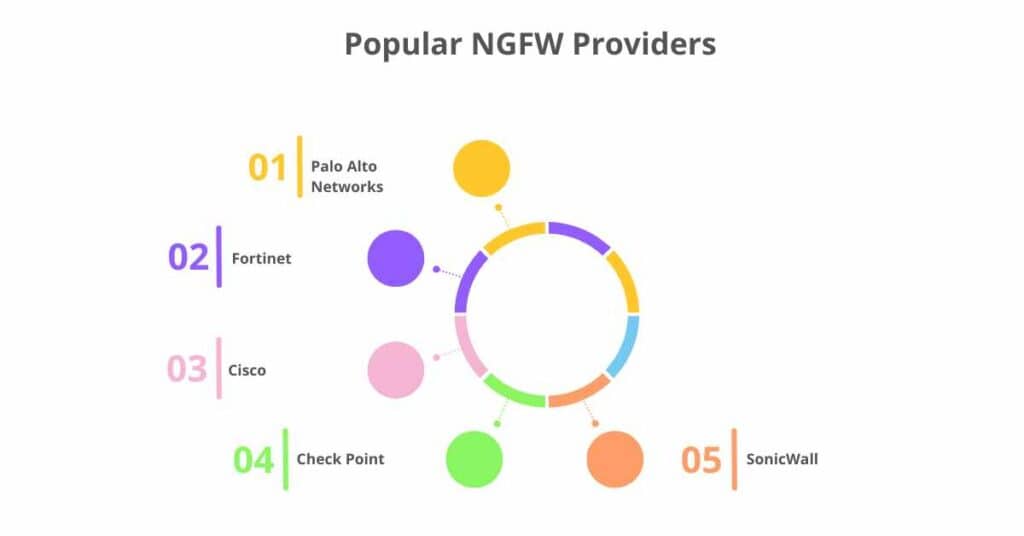
Several companies lead the NGFW market with innovative products:
1. Palo Alto Networks
Known for their robust App-ID technology that identifies applications.
2. Fortinet
Offers FortiGate NGFWs, which integrate seamlessly into their Security Fabric.
3. Cisco
Provides Firepower NGFWs with strong threat detection and management features.
4. Check Point
Known for Quantum NGFWs with SandBlast Zero-Day Protection.
5. SonicWall
A budget-friendly option with powerful SSL inspection.
Conclusion
In today’s connected world, where cyberattacks grow more frequent and complex, Next-Generation Firewalls are an essential tool for maintaining strong network security. They go beyond traditional firewalls by providing advanced features like application control, user identity awareness, and deep traffic inspection.
By investing in an NGFW, organizations can protect their networks from modern threats while maintaining the flexibility to adapt to new technologies and business needs.
Would you like to explore specific NGFW products or strategies for implementation? Let us know!
