Posted on January 19th, 2026 by Cyber
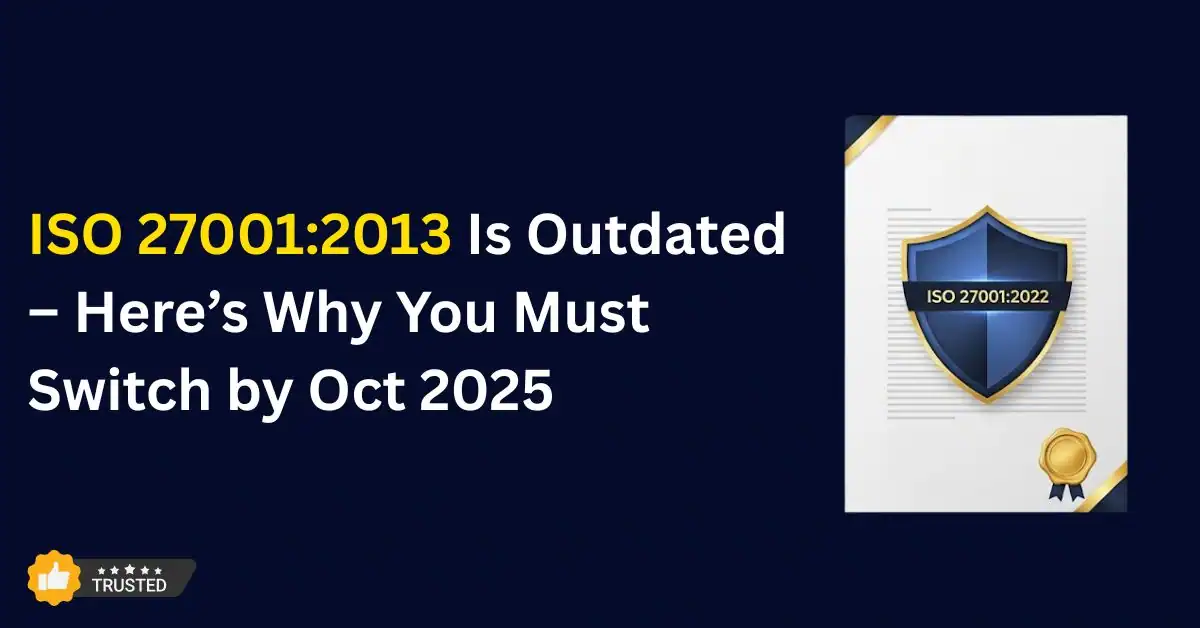
Imagine still driving around in a flip-phone era when everyone else has the latest smartphone. That’s ISO 27001:2013 in today’s turbo-charged cyber world. Published in 2013, it focused on 14 tech-heavy domains and 114 controls. Fast-forward a decade: cloud computing, IoT and supply-chain sprawl have exploded, leaving gaps wider than the Grand Canyon. Enter ISO/IEC […]
Posted on January 19th, 2026 by Cyber
Imagine cruising along on ISO 27001:2013—smooth sailing, right? But the harbour entrance for the 2013 edition locks at 31 October 2025, and if you haven’t swapped to the shiny new 2022 version, your ship gets impounded . No one wants that awkward call to clients explaining why your certification just went poof. “It’s like having […]
Posted on January 19th, 2026 by Cyber
When ISO dropped the 2022 edition on 25 October 2022, it was like announcing a surprise detour halfway through a well-known trail. Certified organisations have a strict three-year window—ending 31 October 2025—to swap their old maps (ISO 27001:2013) for this updated chart. “A stitch in time saves nine.” Timely migration not only dodges audit nonconformities […]
Posted on January 19th, 2026 by Cyber
Organisations worldwide face a non-negotiable deadline: transition from ISO 27001:2013 to ISO 27001:2022 by 31 October 2025 or risk having their certificate pulled faster than a rug at a magic show. With Annex A controls trimmed from 114 to 93, 11 fresh controls targeting real-world threats, and clauses polished for razor-sharp clarity, this isn’t just a paperwork shuffle—it’s a […]
Posted on January 19th, 2026 by Cyber
ISO 27001:2013 establishes an Information Security Management System (ISMS) framework for identifying, evaluating and treating information-security risks.ISO 27001:2022, published on 25 October 2022, aligns with the revised ISO 27002:2022 guidance, reflects modern threat landscapes, and harmonises clause structure with other ISO management-system standards.All organisations must complete the transition by 31 October 2025 to avoid certificate […]
Posted on January 16th, 2026 by Cyber
Phishing continues to be one of the most effective cyber attack techniques, and in 2026, it remains the leading cause of data breaches and account compromises. Despite advances in email security and threat detection, attackers increasingly focus on exploiting human behavior, making employees the most targeted and often the most vulnerable entry point into organizations. […]
Posted on January 16th, 2026 by Cyber
Phishing attacks continue to be one of the most common and successful methods used by cybercriminals to breach organizations. While email security tools and technical defenses play an important role, attackers increasingly focus on exploiting human behavior, making employees a primary target. A single phishing email can lead to credential theft, data breaches, ransomware infections, […]
Posted on January 16th, 2026 by Cyber
Phishing continues to be one of the most effective and damaging cyber attack methods used against organizations of all sizes. Despite advances in email security and threat detection technologies, attackers increasingly target employees, exploiting human behavior rather than technical vulnerabilities. A single click on a malicious link or attachment can lead to data breaches, credential […]
Posted on January 16th, 2026 by Cyber
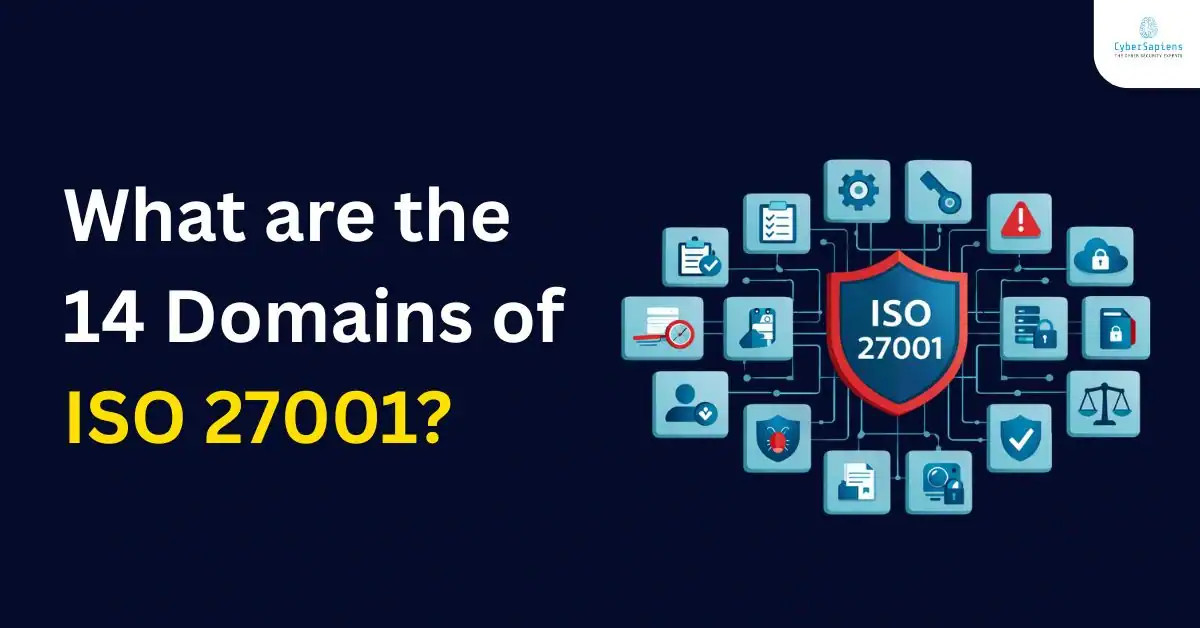
From customer data and intellectual property to financial records and operational systems, protecting information is no longer optional it is a business necessity. With rising cyber threats, stricter regulations, and increasing customer expectations around data protection, organizations face growing pressure to manage information security in a structured and reliable way. ISO/IEC 27001 provides a globally […]
Posted on January 16th, 2026 by Cyber
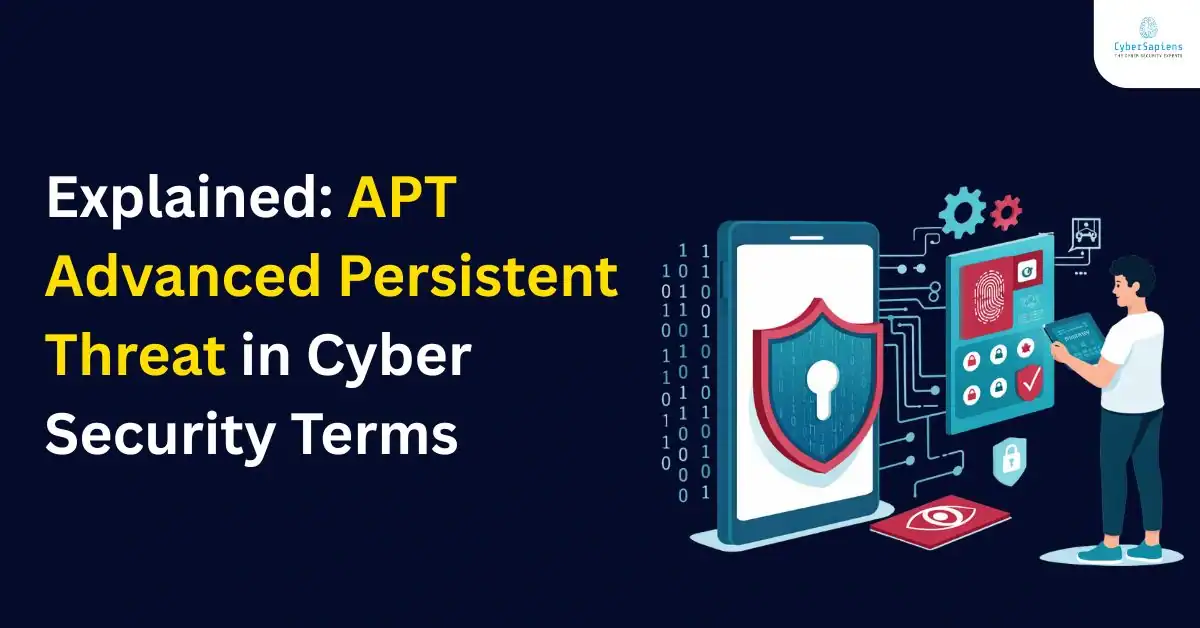
Advanced Persistent Threats (APTs) represent some of the most sophisticated and dangerous cyber attacks facing organizations today. Unlike common attacks that aim for quick disruption or financial gain, APTs are carefully planned, targeted, and designed to remain hidden within a network for long periods. Their primary goal is often espionage, intellectual property theft, or long-term […]